





Share to
Comox Waterfront
By : Cohlmeyer Architecture

GRANDS PRIX DU DESIGN 18th edition
Discipline : Architecture
Categories : Public Building / Sports & Leisure Building : Gold certification
Categories : Special Award / Architecture + Aluminium : Gold certification
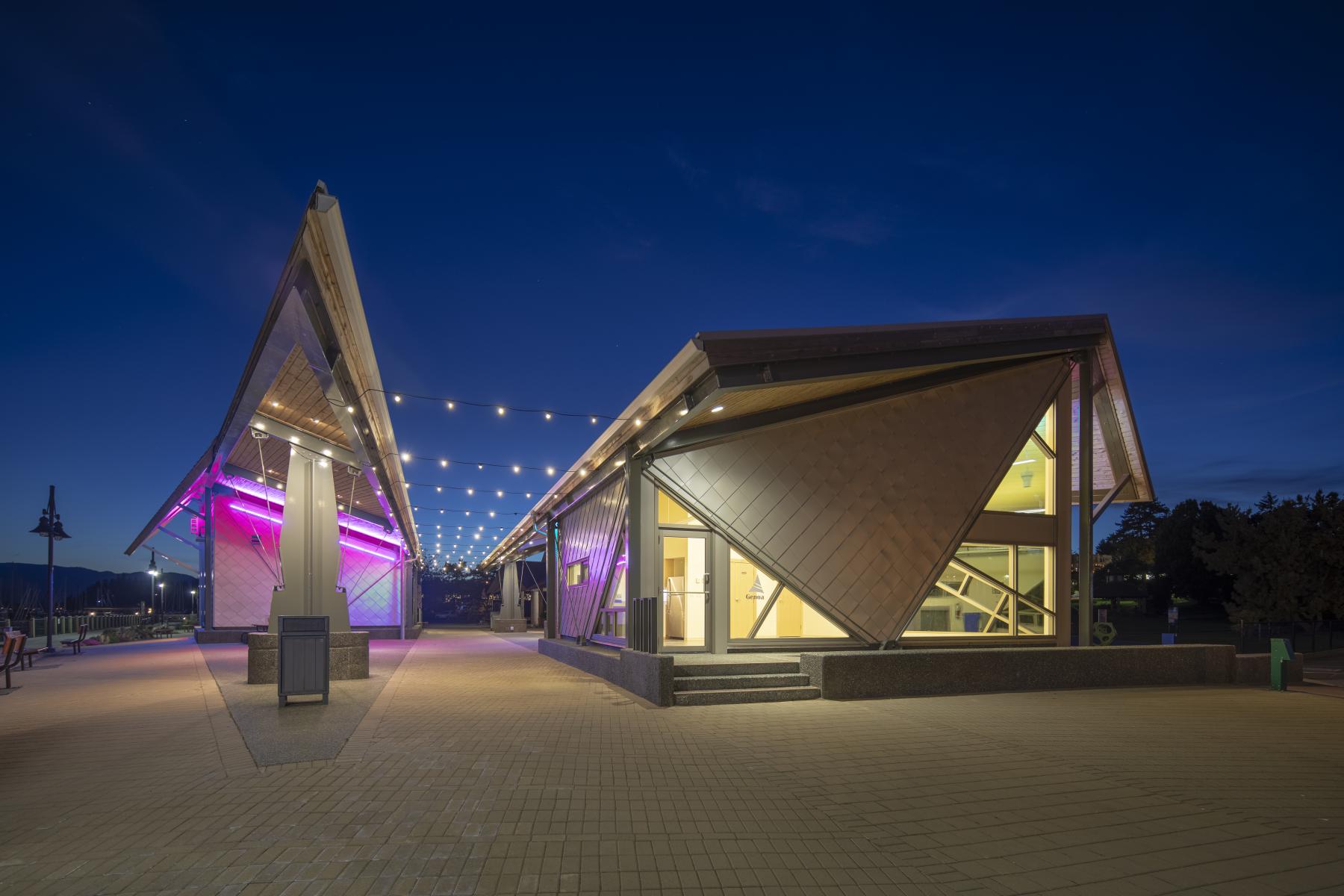
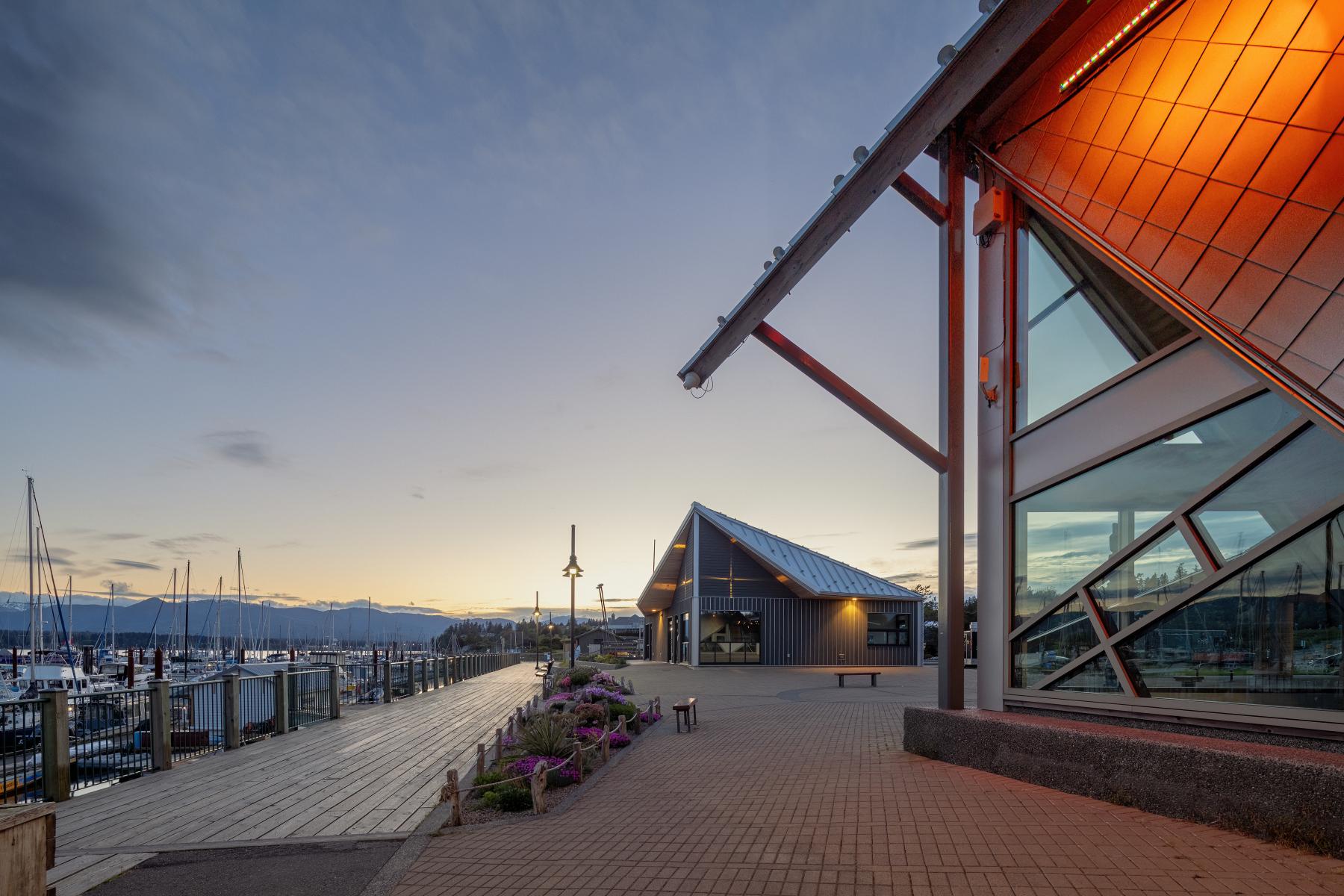
Categories : Special Award / Architecture + Light : Grand Winner
Categories : Special Award / Architecture + Landscape : Silver certification
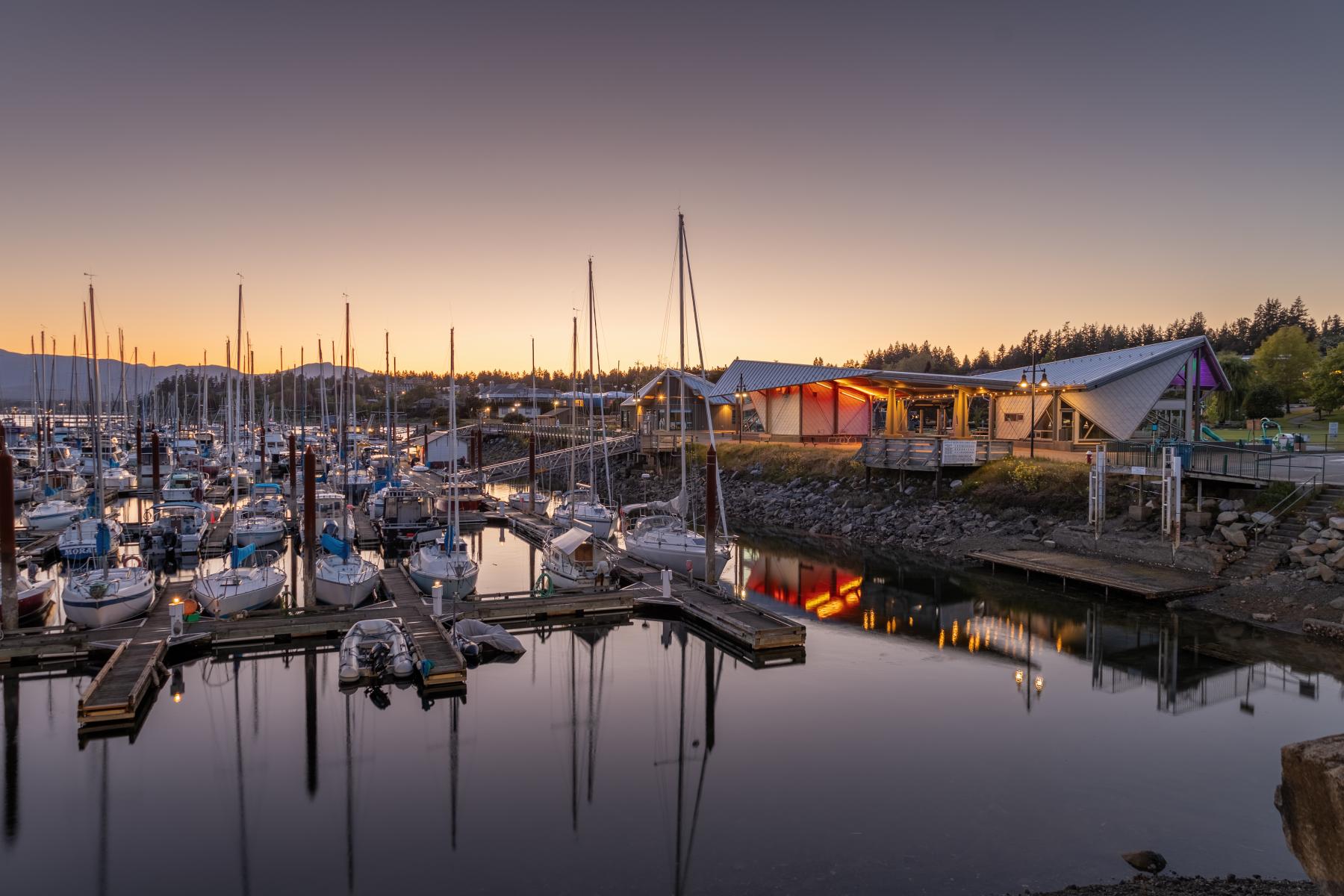
The Comox waterfront redevelopment aimed to transform a fringe, uninviting urban space – once the heart of maritime activity – into an accessible, inclusive public destination integrated with the city’s fabric. The project entailed several design challenges, chiefly bringing life back to a site mostly used by dog walkers and joggers, while thoughtfully considering local community priorities and ensuring environmental resilience.
Reconnecting a City to Its Waterfront
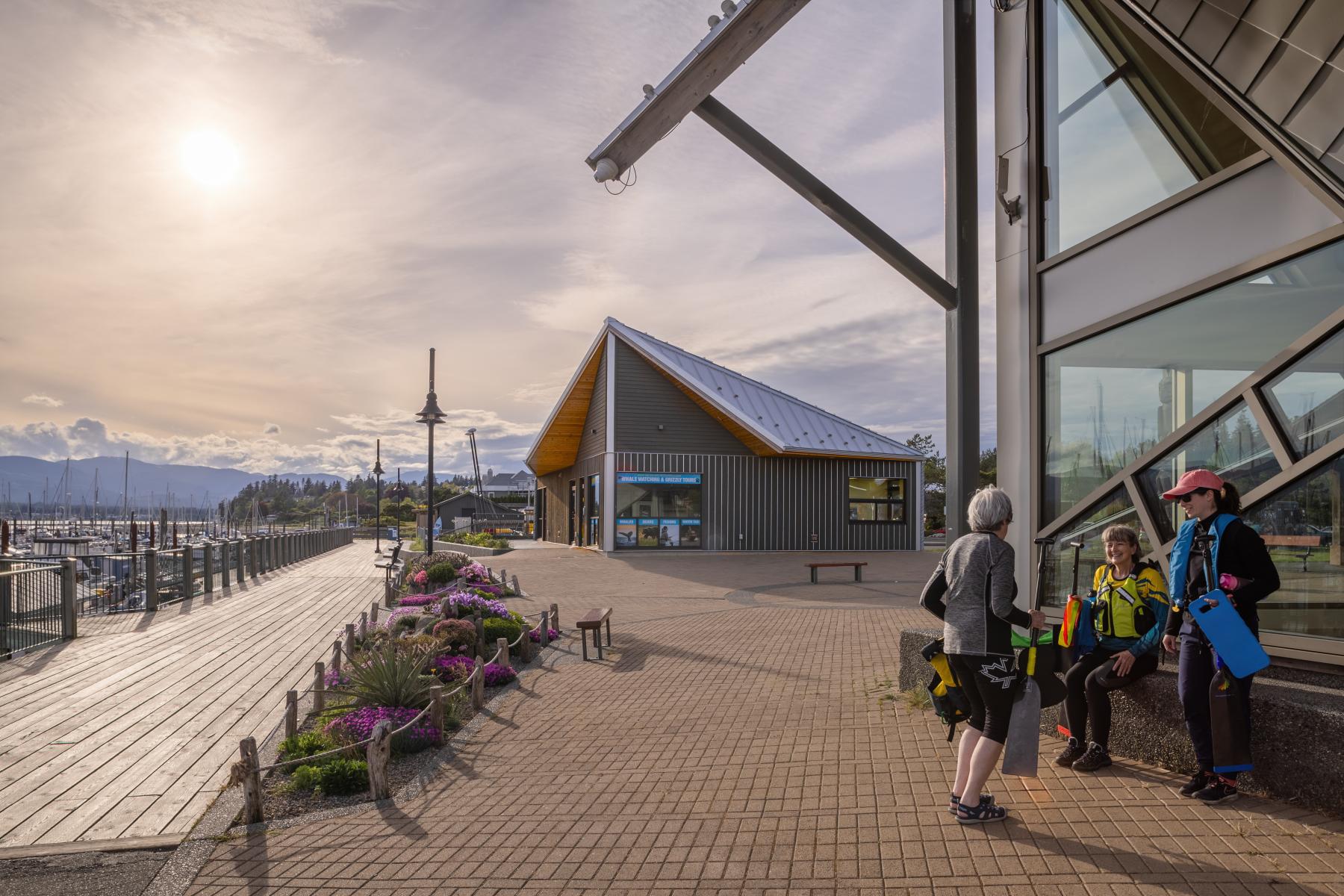
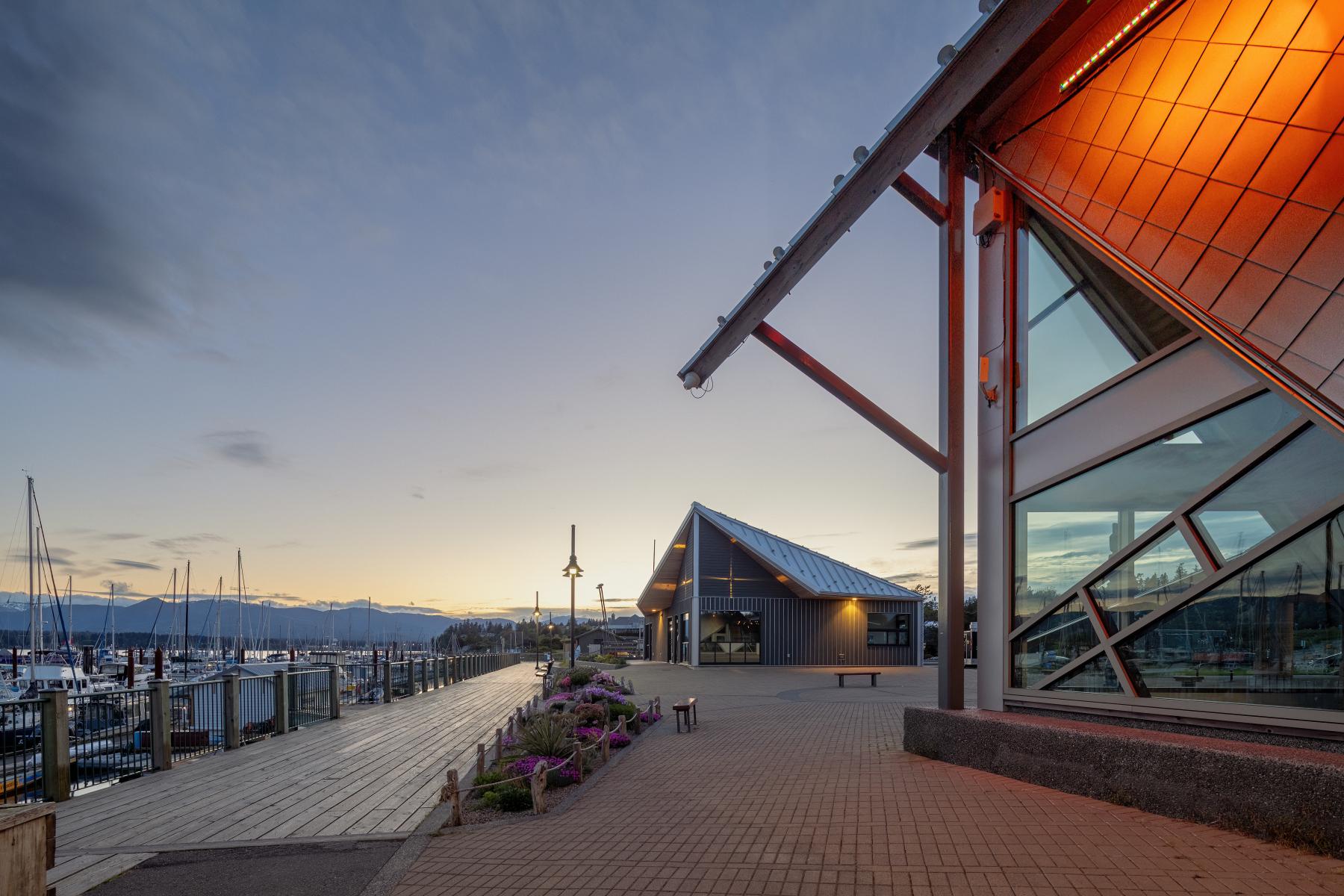
To meet the project’s challenges, we focused on improving accessibility and comfort through landscape design – reimagining pedestrian routes, creating open views, and making lighting and visibility improvements. We also introduced new buildings to support both spontaneous use and organized events, while providing essential amenities such as public restrooms.
Key architectural interventions:
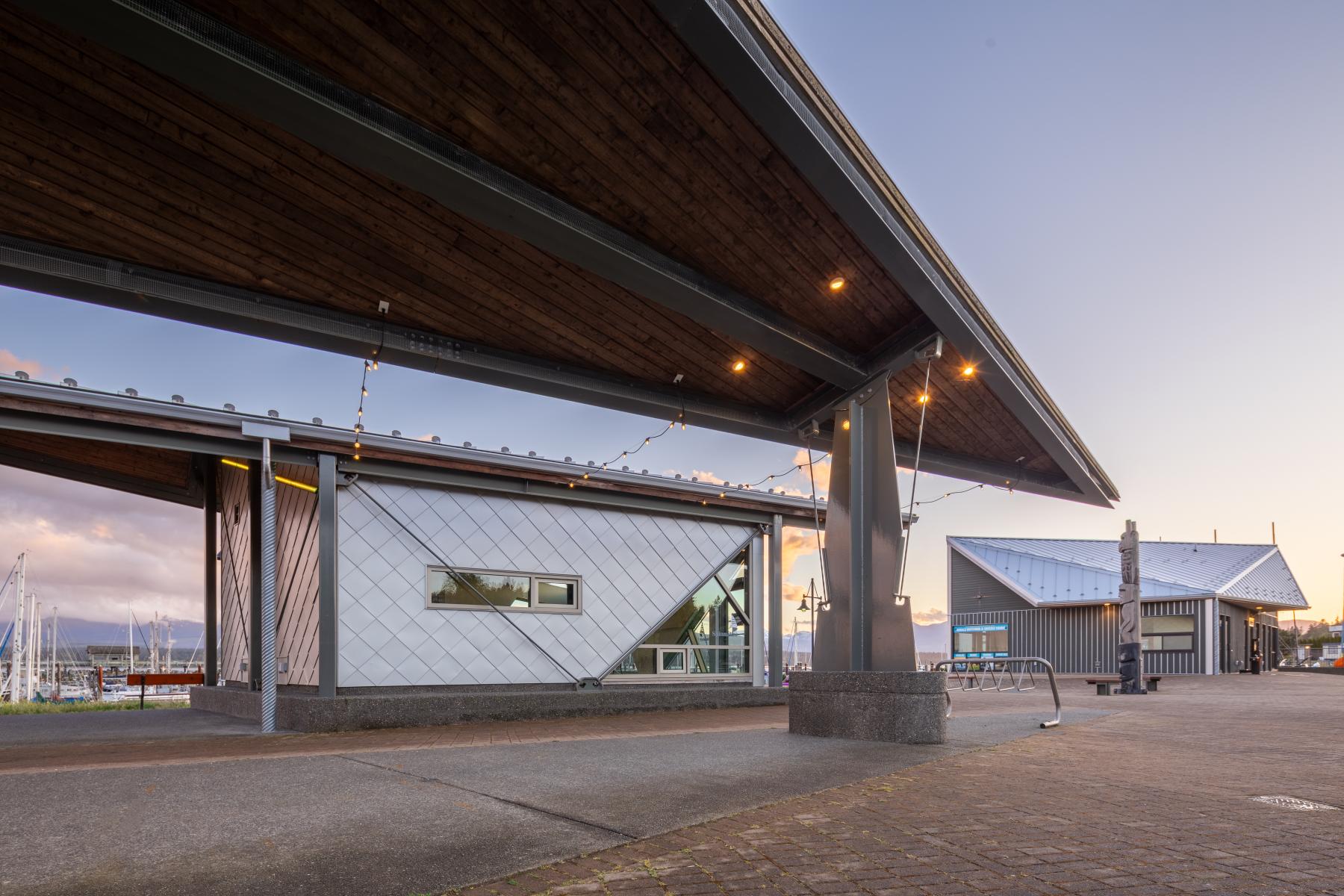
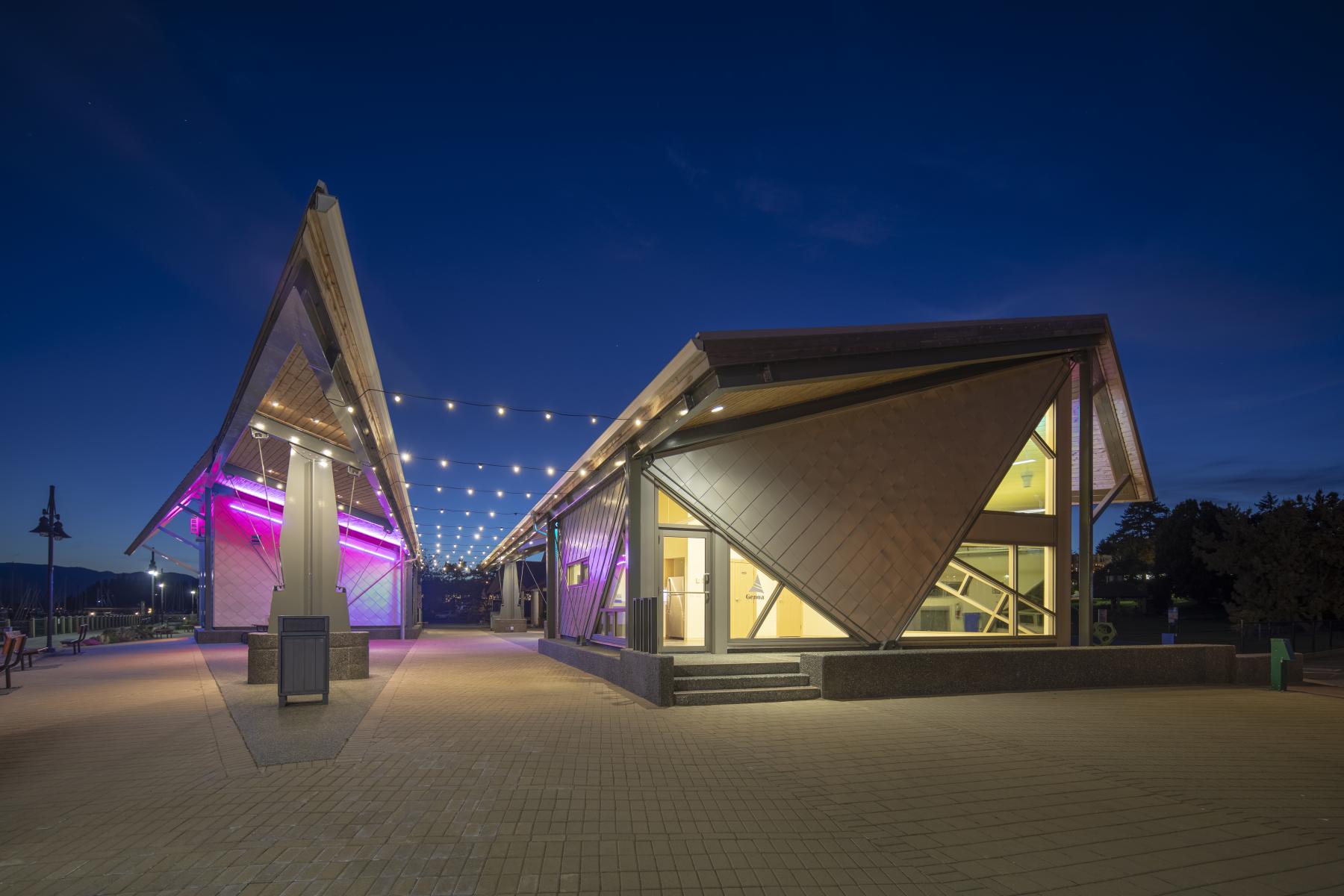
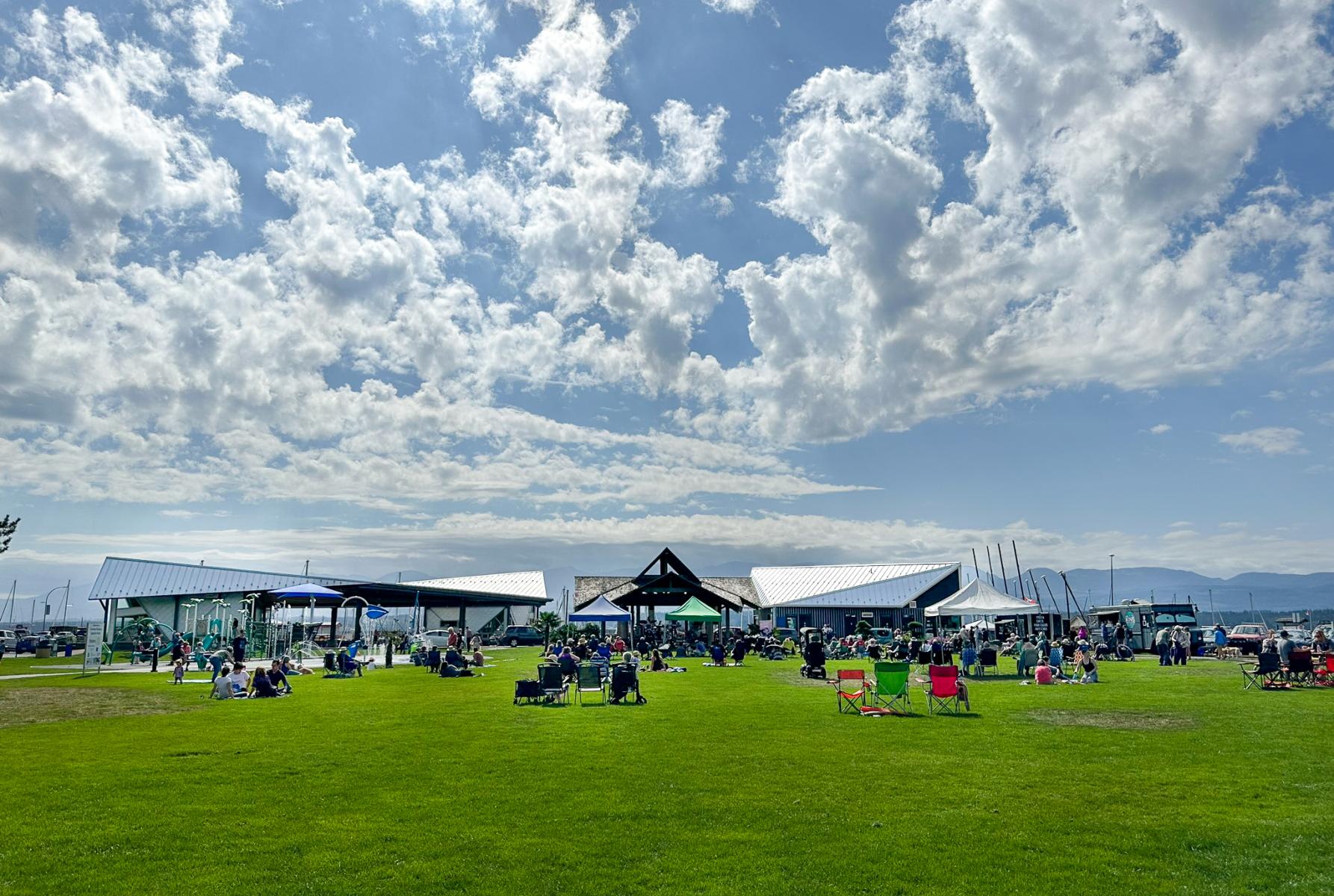
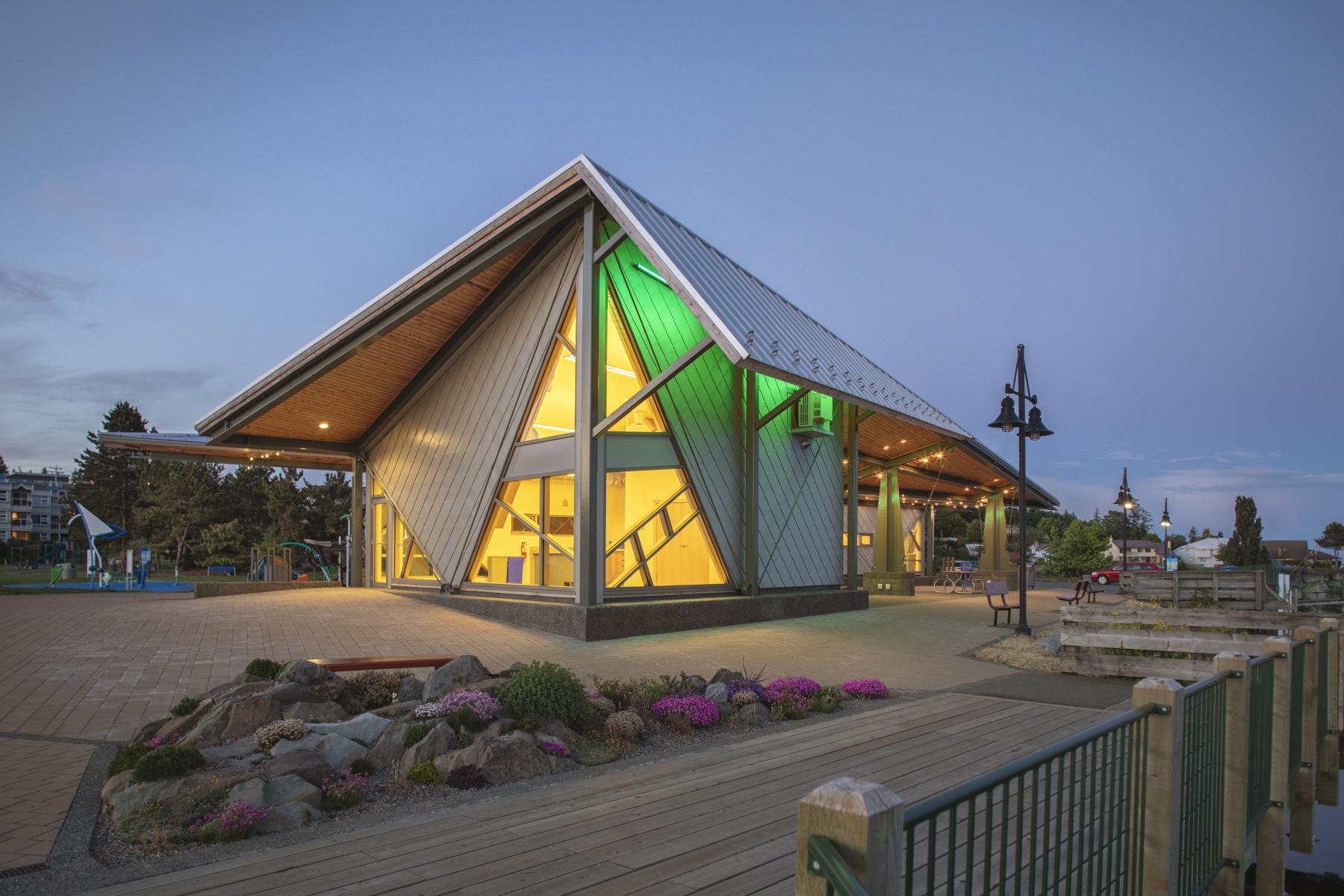
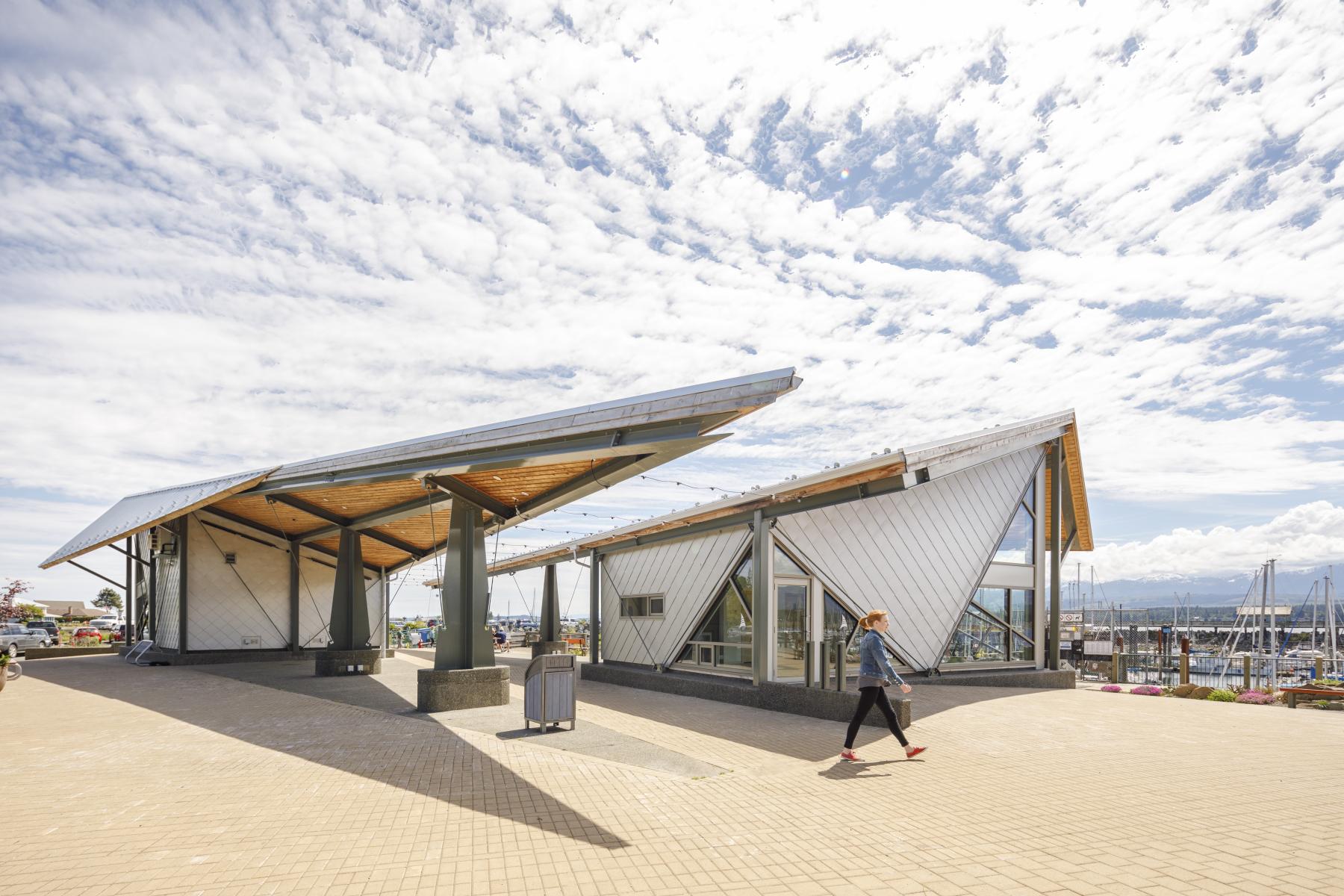
- Two gathering pavilions with large overhanging roofs, designed to host year-round markets and community events.
- A central square connecting the Marina Park and the shoreline.
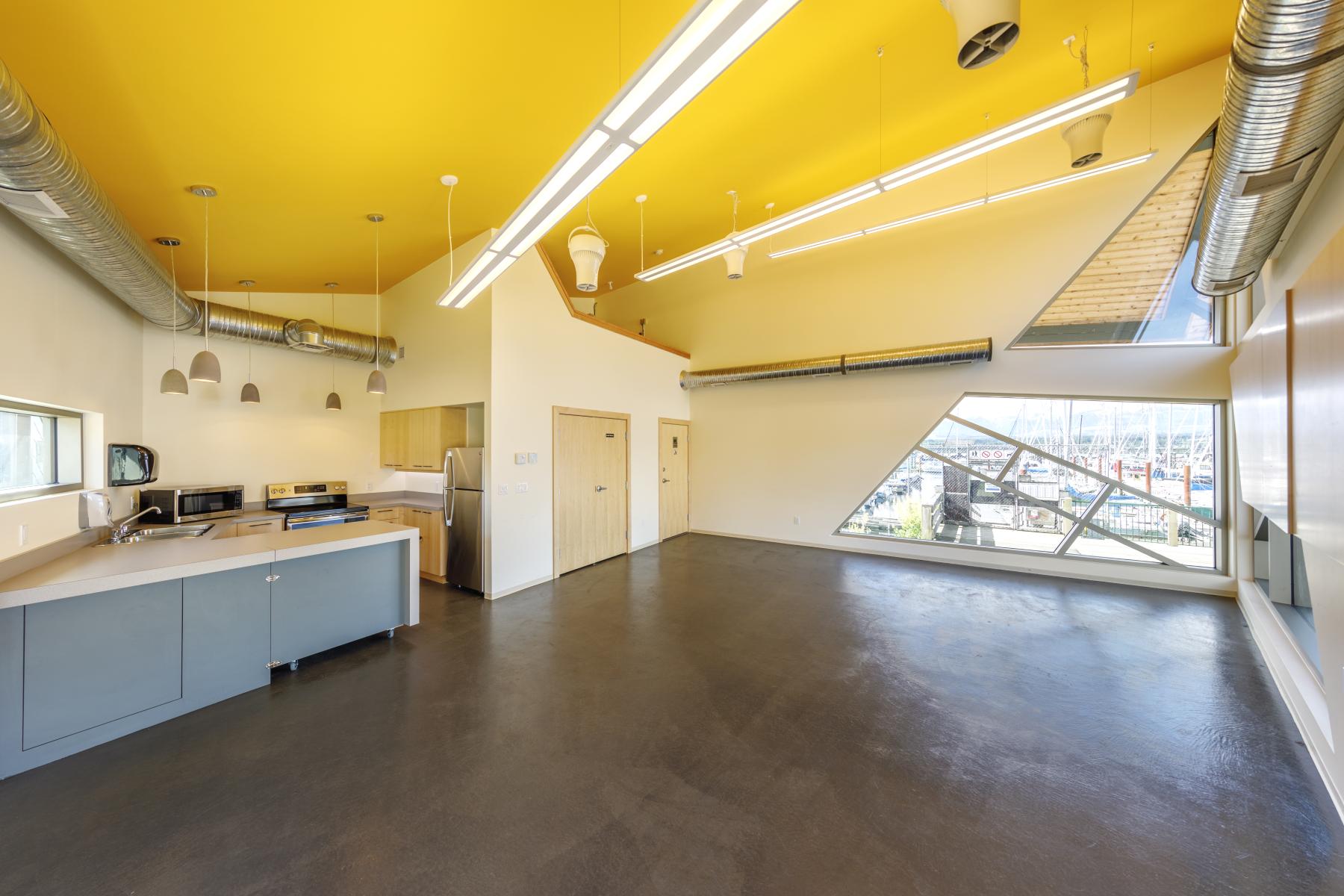
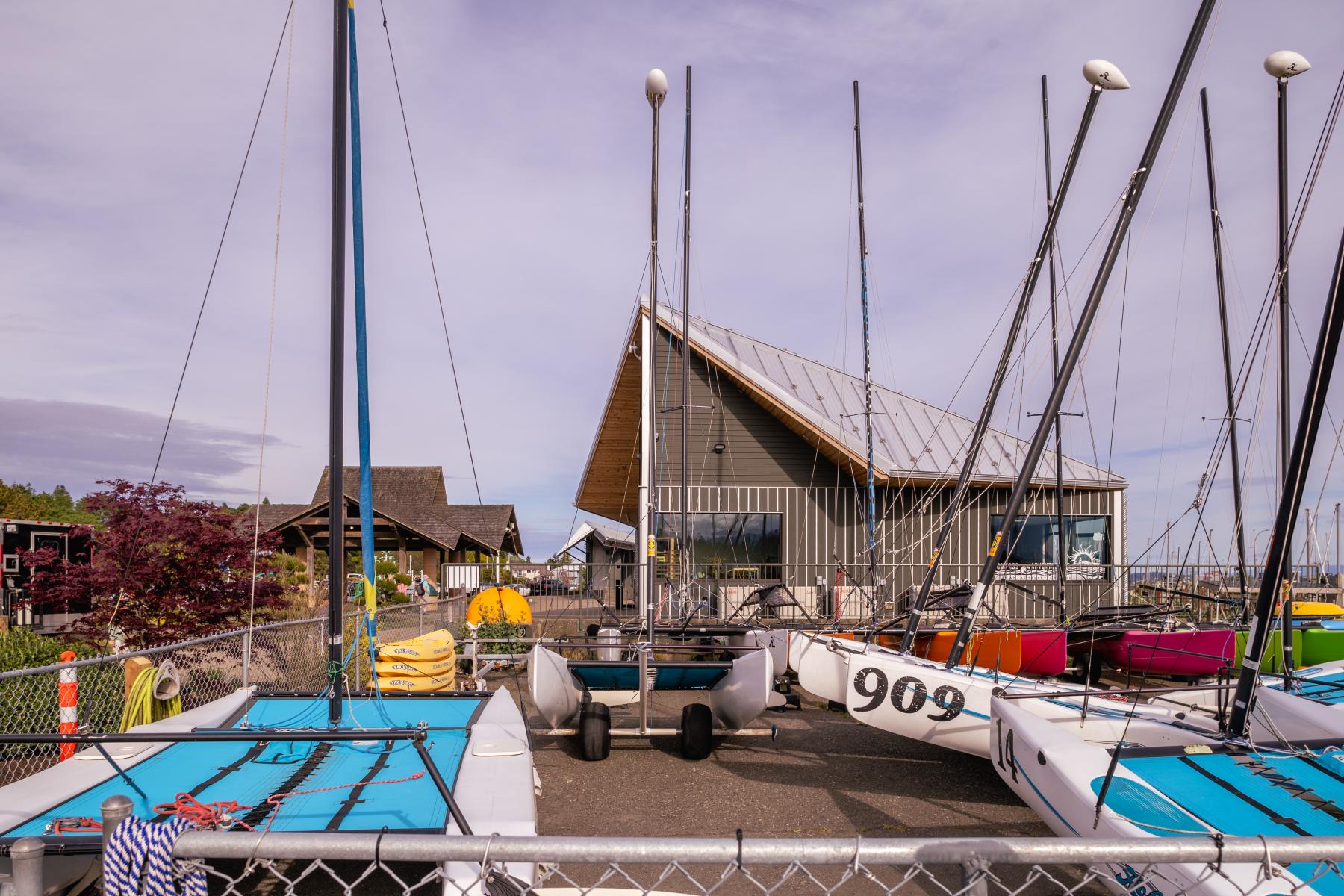
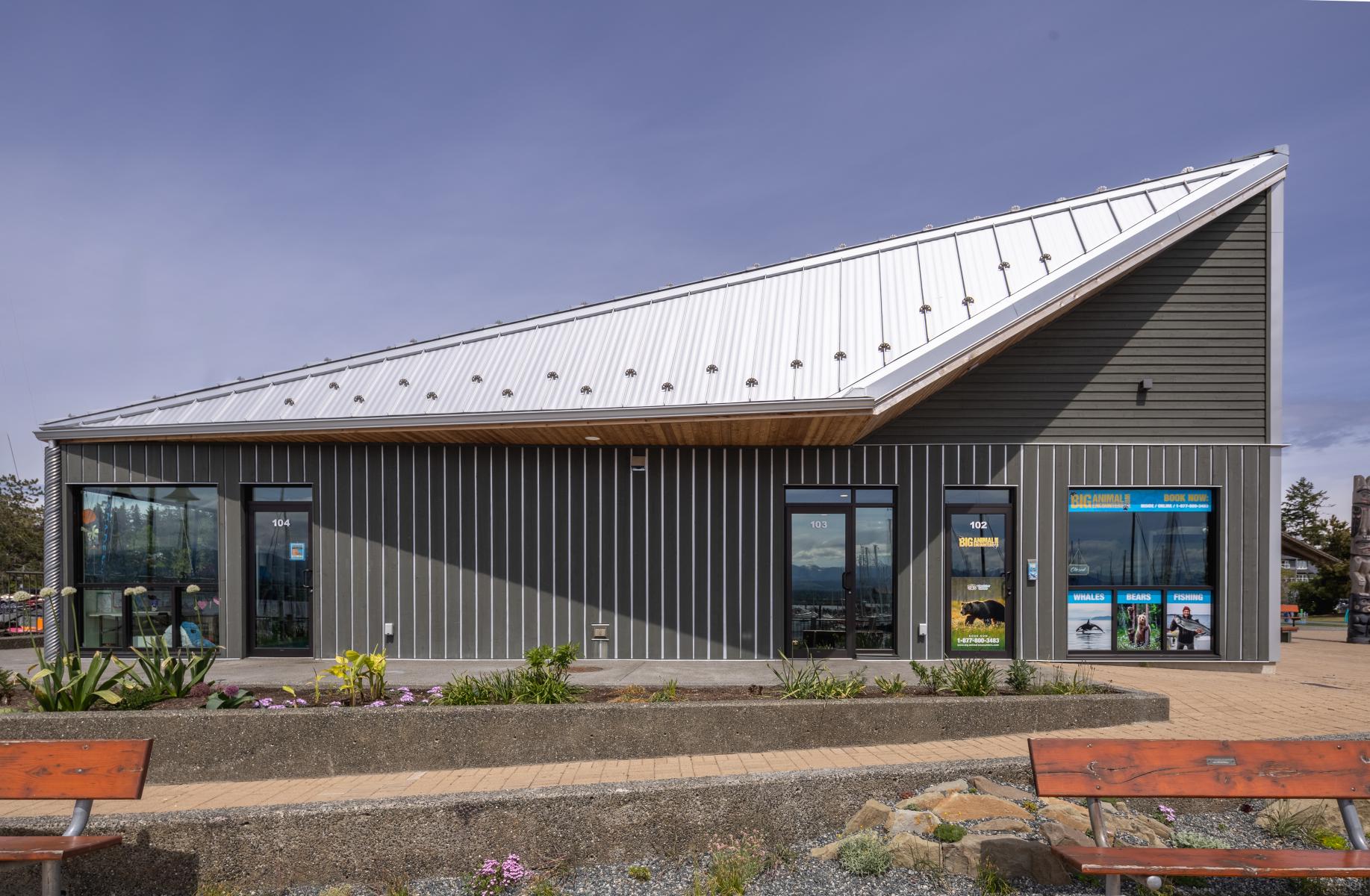
- A multiuse waterfront building housing:
o Accessible public restrooms;
o A water sports training centre;
o Harbor management offices;
o Rental spaces supporting local economic activity.
Collaborative, Inclusive, and Resilient Architecture
To strengthen the project’s social impact, we adopted a holistic, collaborative approach, incorporating input from the local community and stakeholders. Public consultation emphasized preserving sightlines and harbor views, especially for boating events. As part of this process, a K’ómoks First Nation totem pole was respectfully relocated from a view-obstructing spot to a prominent position in the square – demonstrating how inclusive design fosters cultural respect and shared belonging.
Accessibility was a central priority. Formerly hard to navigate, the site was regraded with gently sloped, curb-protected paths accommodating wheelchairs, strollers, and users of all abilities. The design also addressed environmental impact, including climate and seismic risks. The site was elevated to guard against sea-level rise, in line with sustainable design principles. Materials such as aluminum, steel, and cedar were chosen for durability, accessibility, low maintenance, and coastal resilience.
Technical & Material Innovation
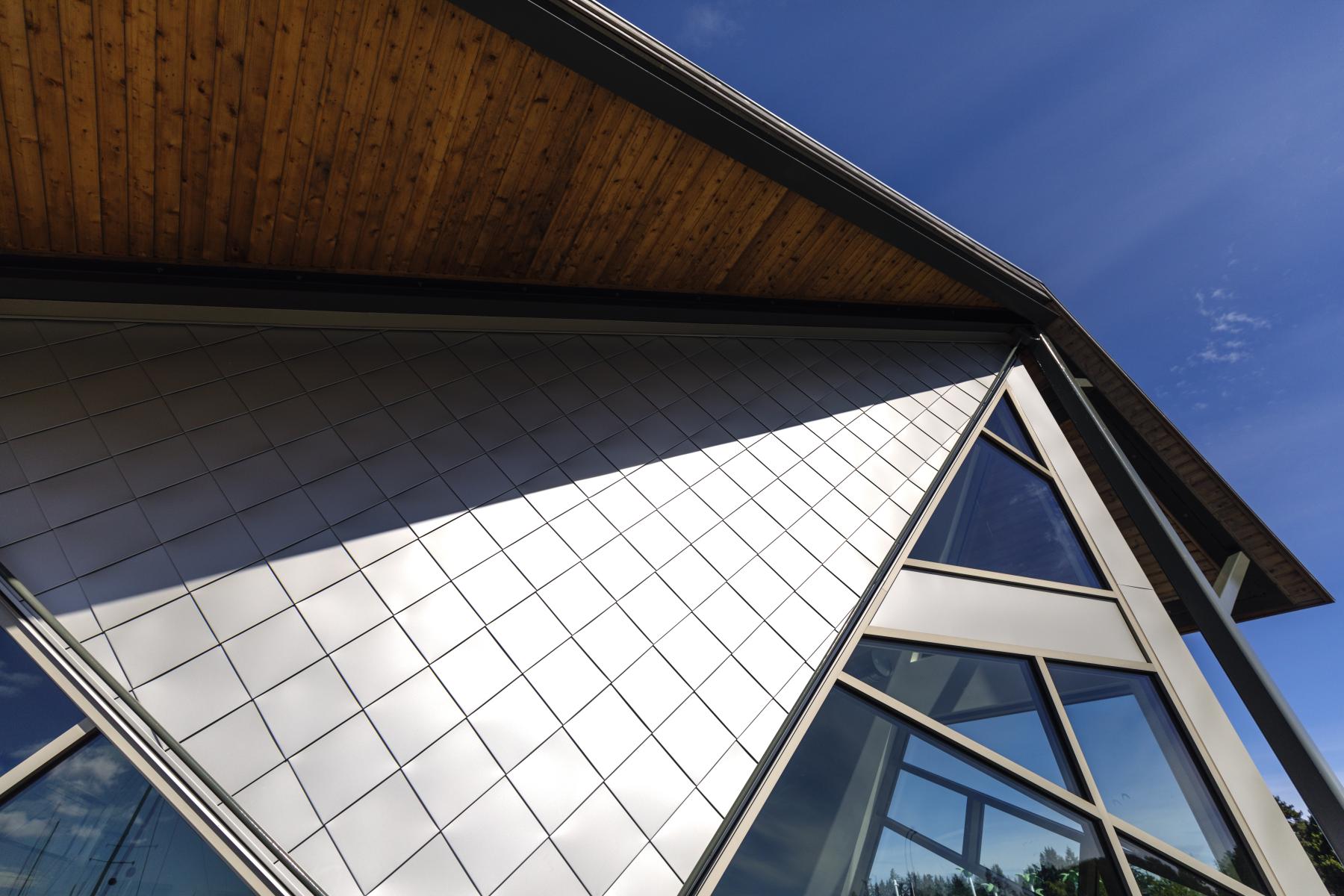
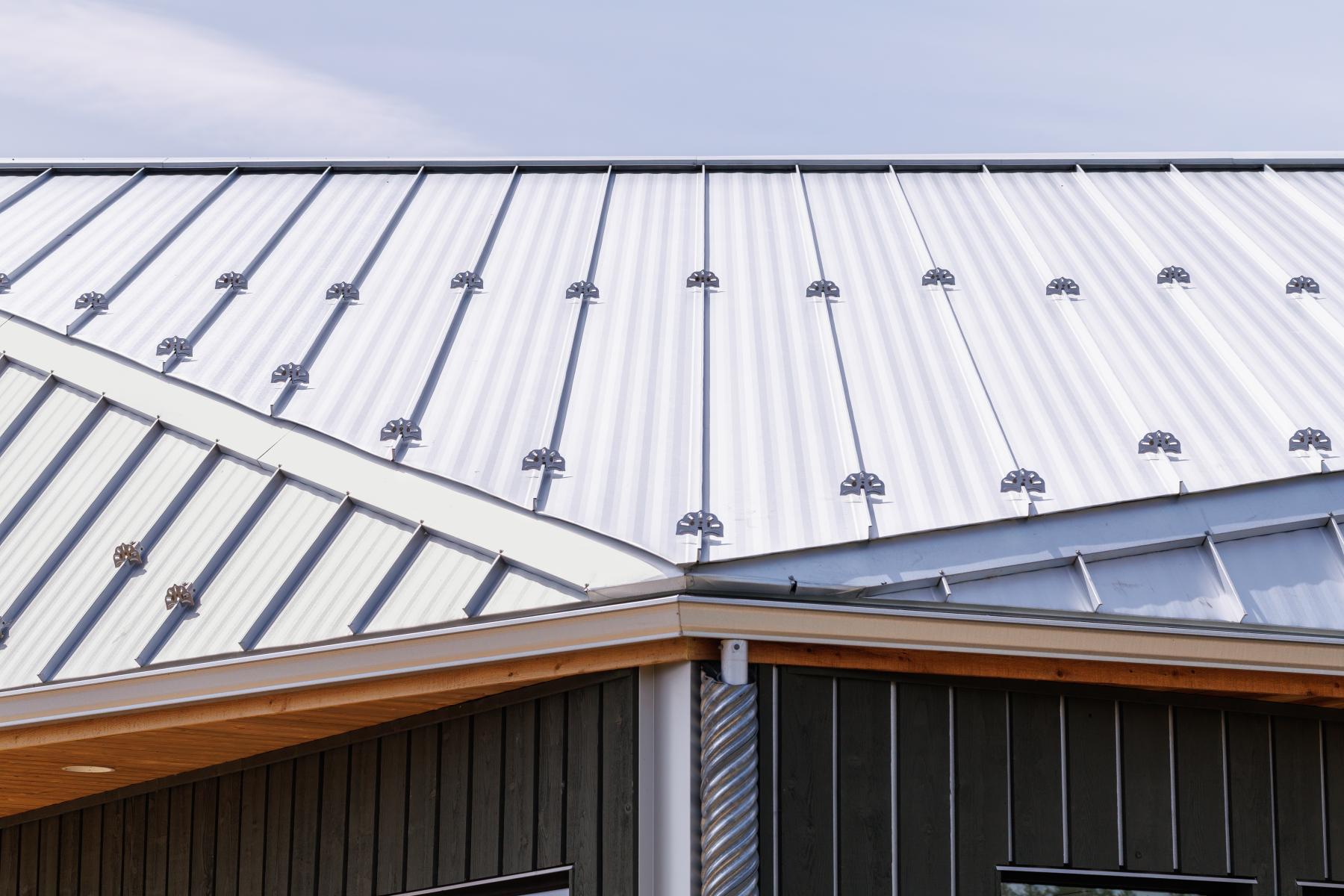
Aluminum was one of the project’s flagship materials, used for the roofs of the three new buildings and as a decorative element on some pavilion exteriors. Though common and utilitarian, aluminum provided a creative solution to key challenges – coastal resilience, budget limits, and achieving a cohesive, attractive design in a mountainous maritime setting. Its resistance to salt air, wind, and rain, along with durability and low maintenance, made it ideal for this public waterfront. By transforming a basic material into a defining feature, the design team balanced environmental performance, constructability, and visual impact.
Collaboration
Architect : Cohlmeyer Architecture
Engineering : Crosier Kilgour & Partners
Engineering : GD Stasynec & Associates
Engineering : Pro Engineering
Photo credit