

Share to
Quebec Organic Material Biomethanation Center
By : CCM2 architectes

GRANDS PRIX DU DESIGN 18th edition
Discipline : Architecture
Categories : Commercial Building / Factory & Warehouse : Gold certification
Thanks to the collaboration and expertise of firms CCM2 architects, Atkins Réalis, Pomerleau, numerous key players in Quebec City, and numerous specialized subcontracting teams, the Biomethanization Centre for Organic Materials (CBMO) was established. The sharing of expertise from each collaborator led to the success of this significant societal and environmental project.
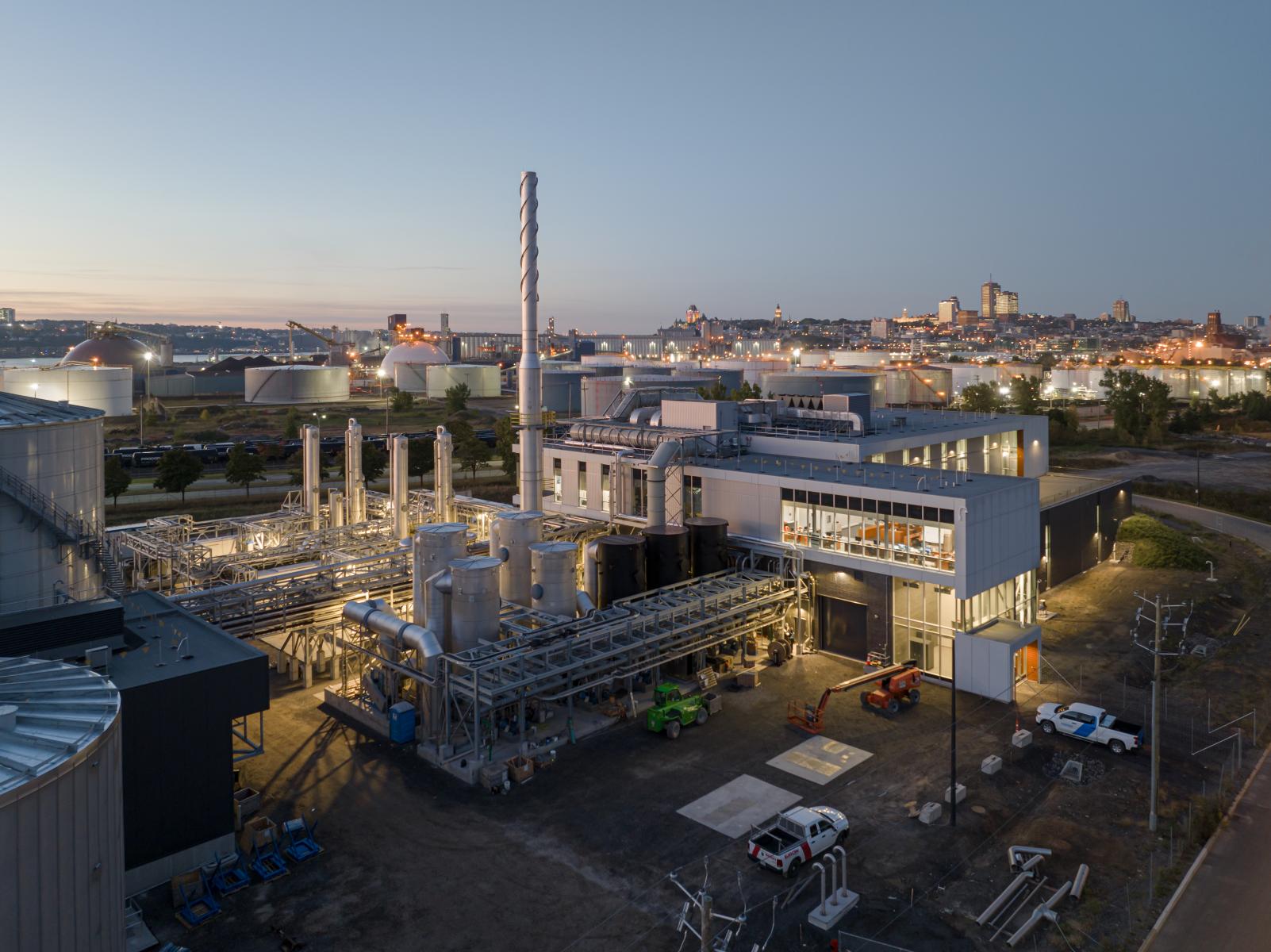
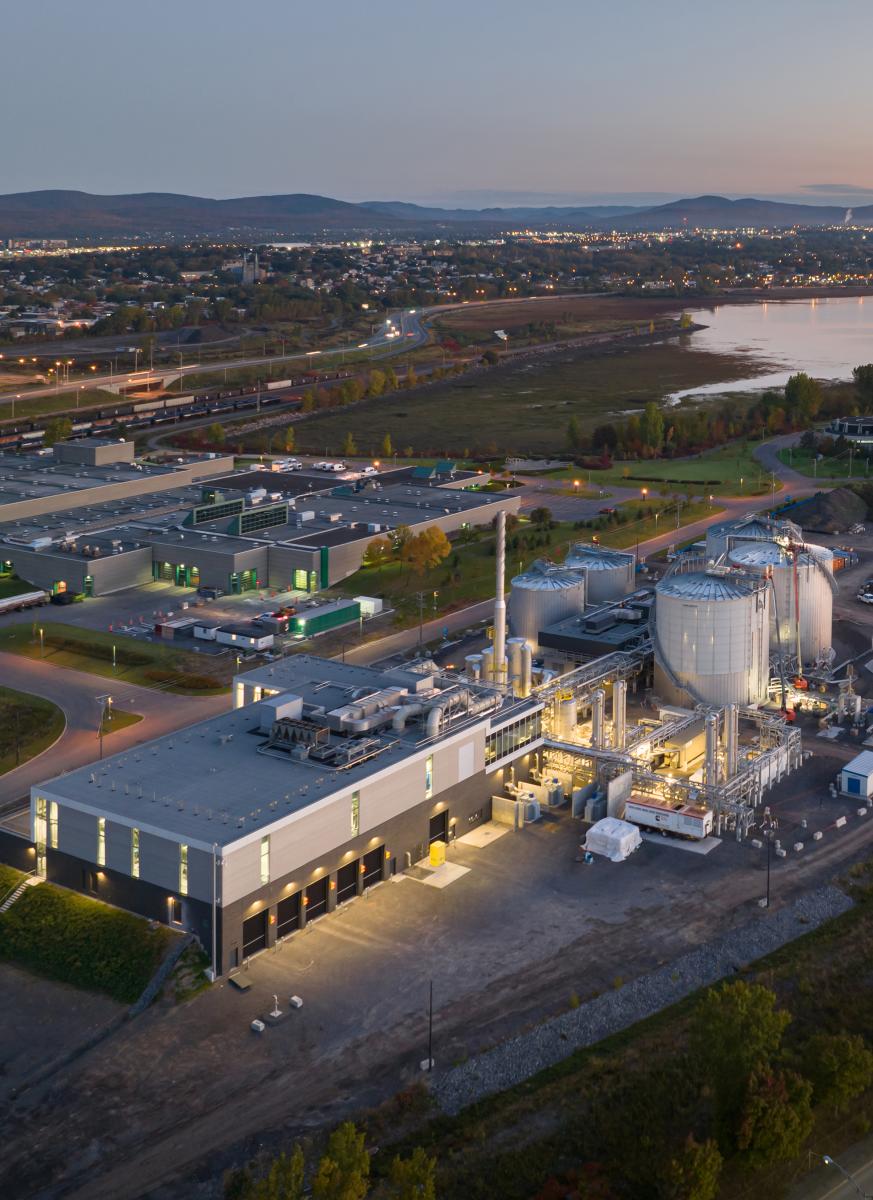
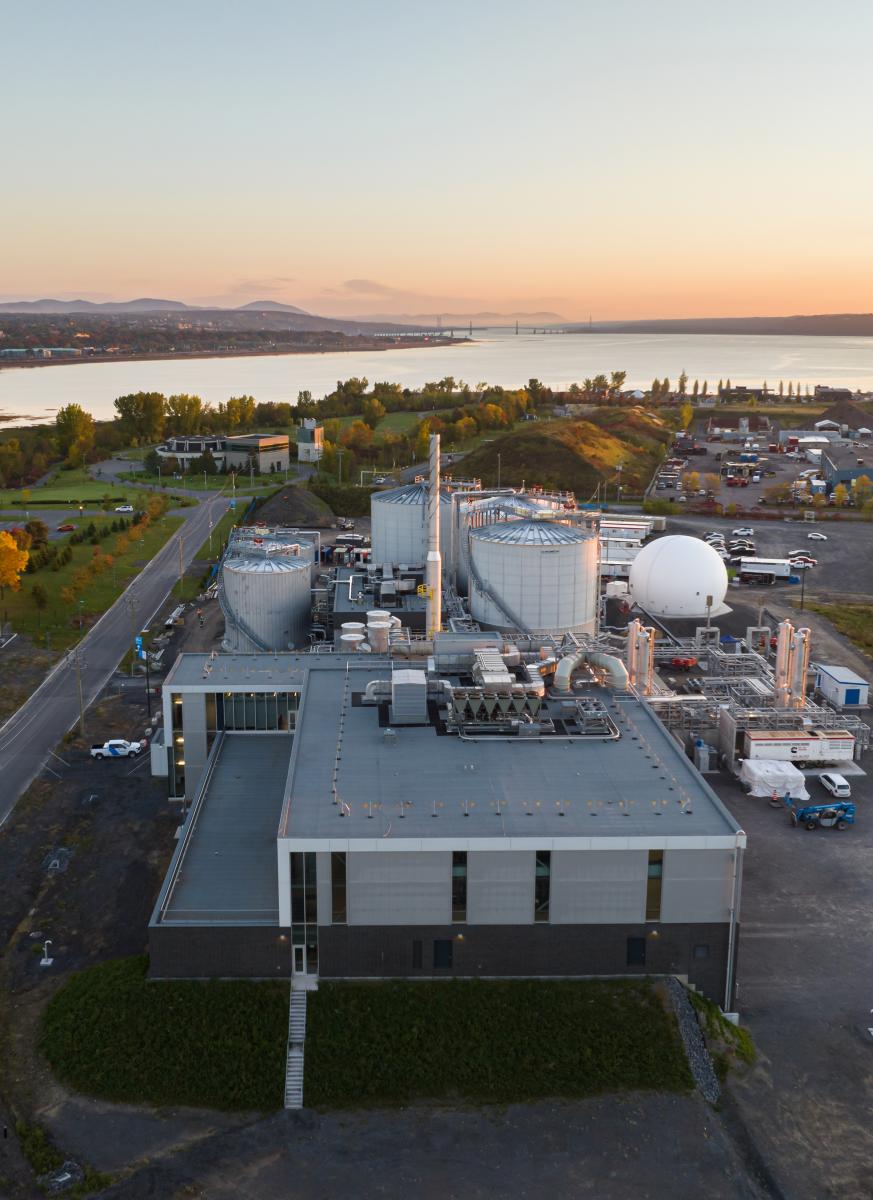
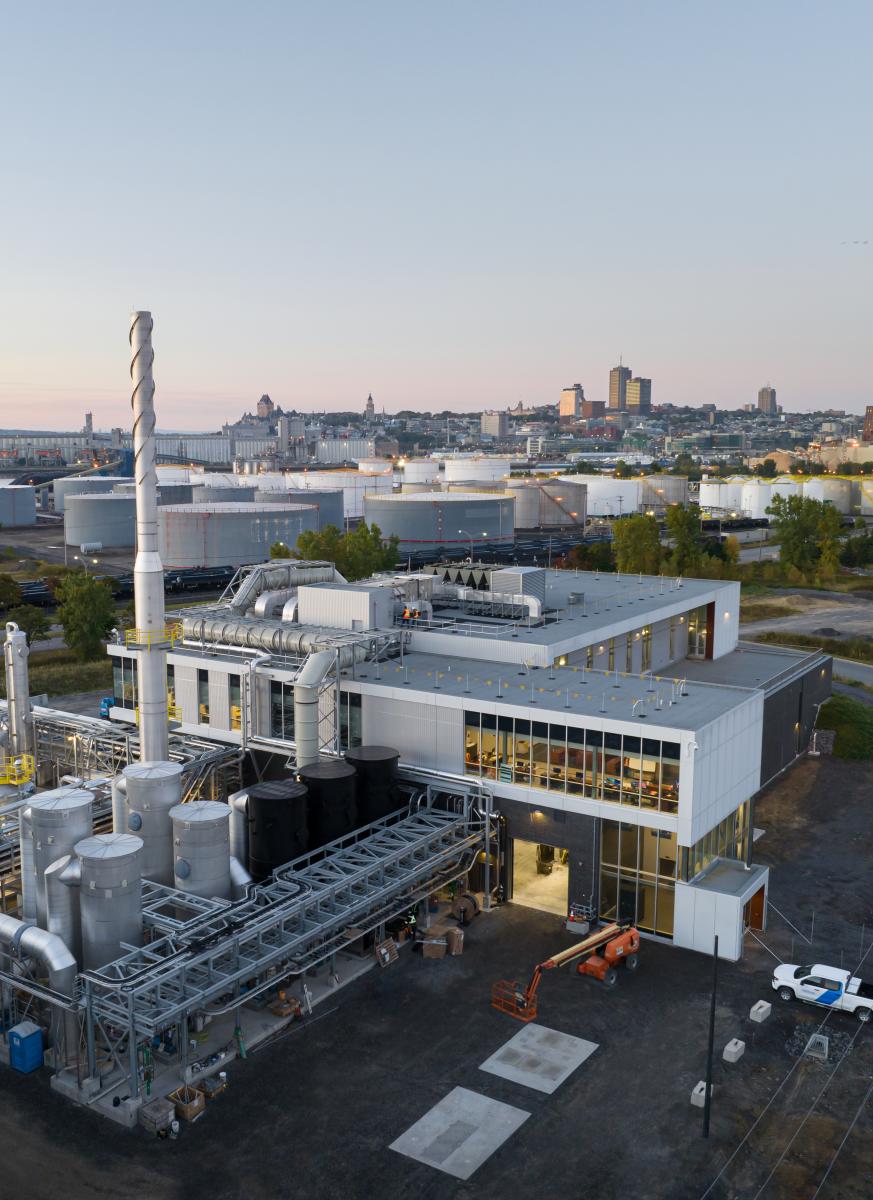
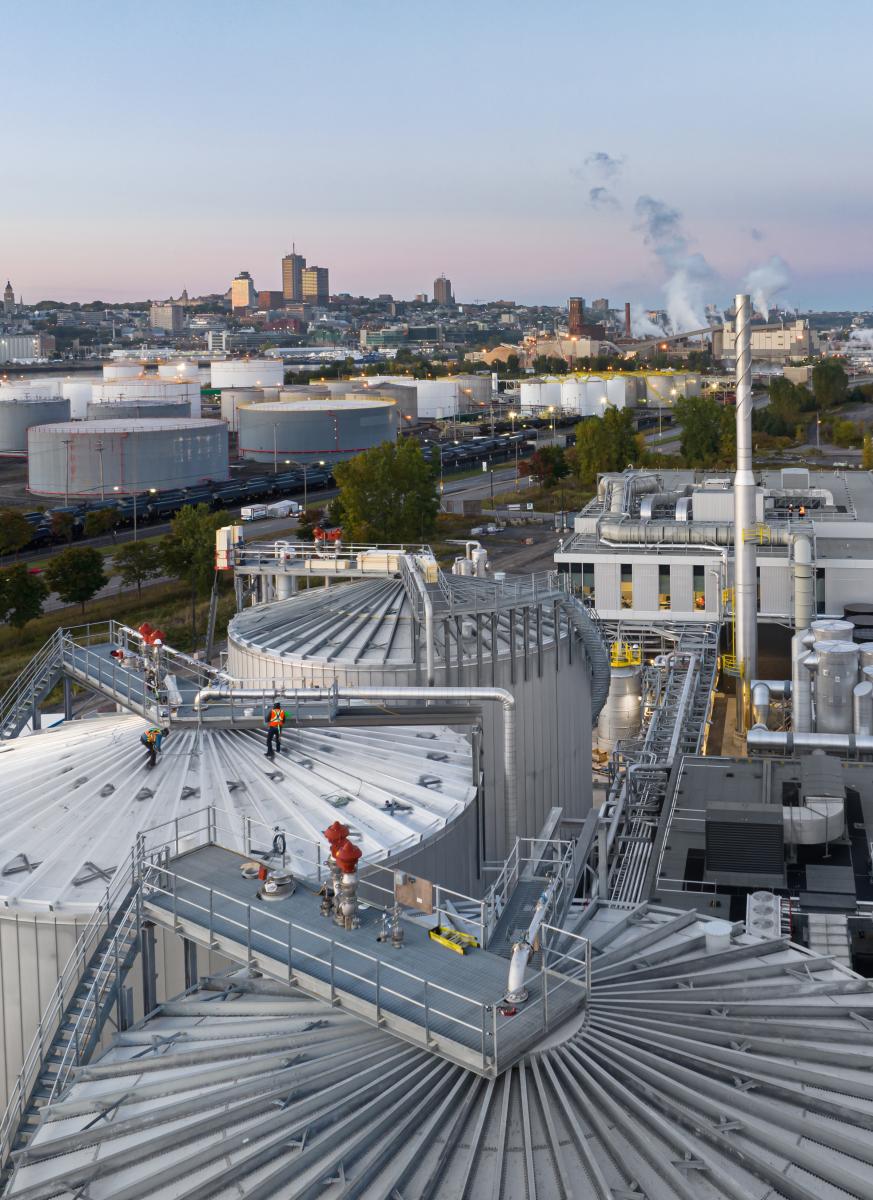
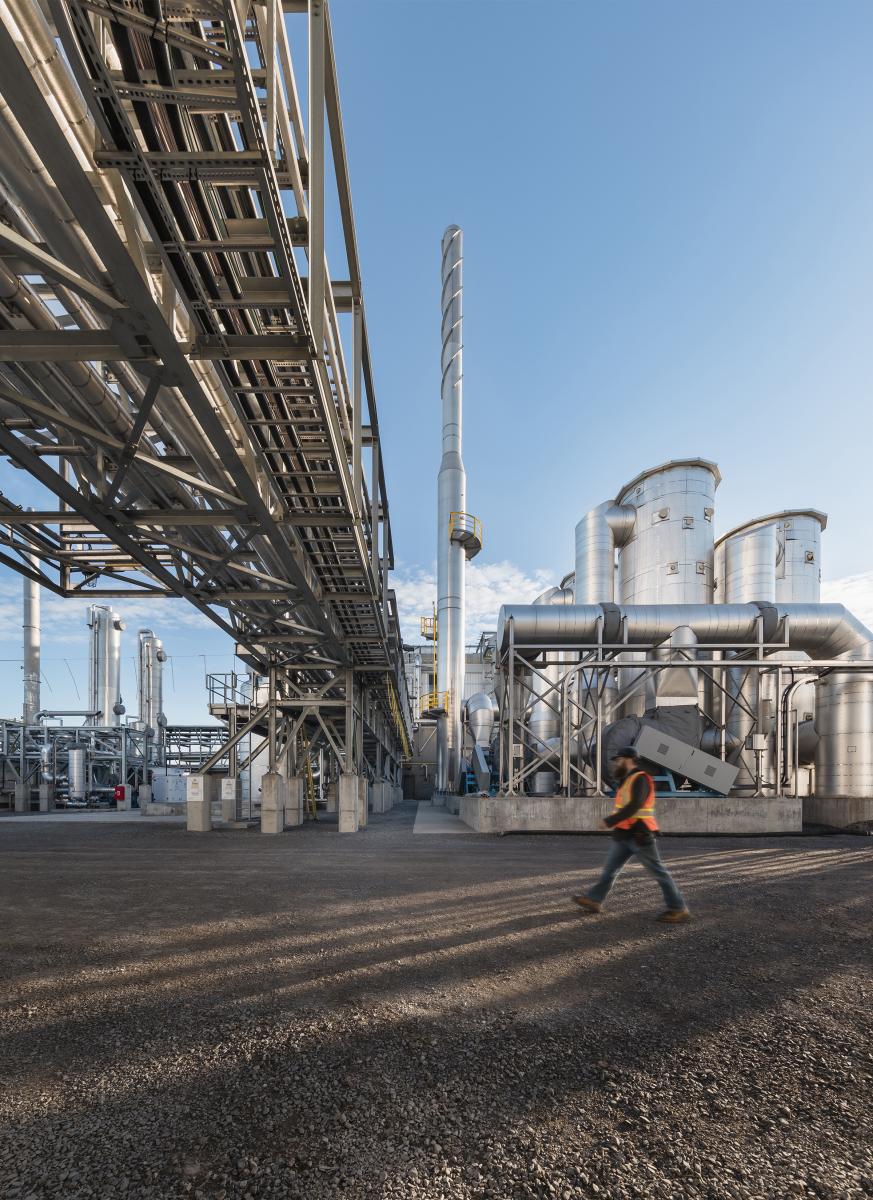
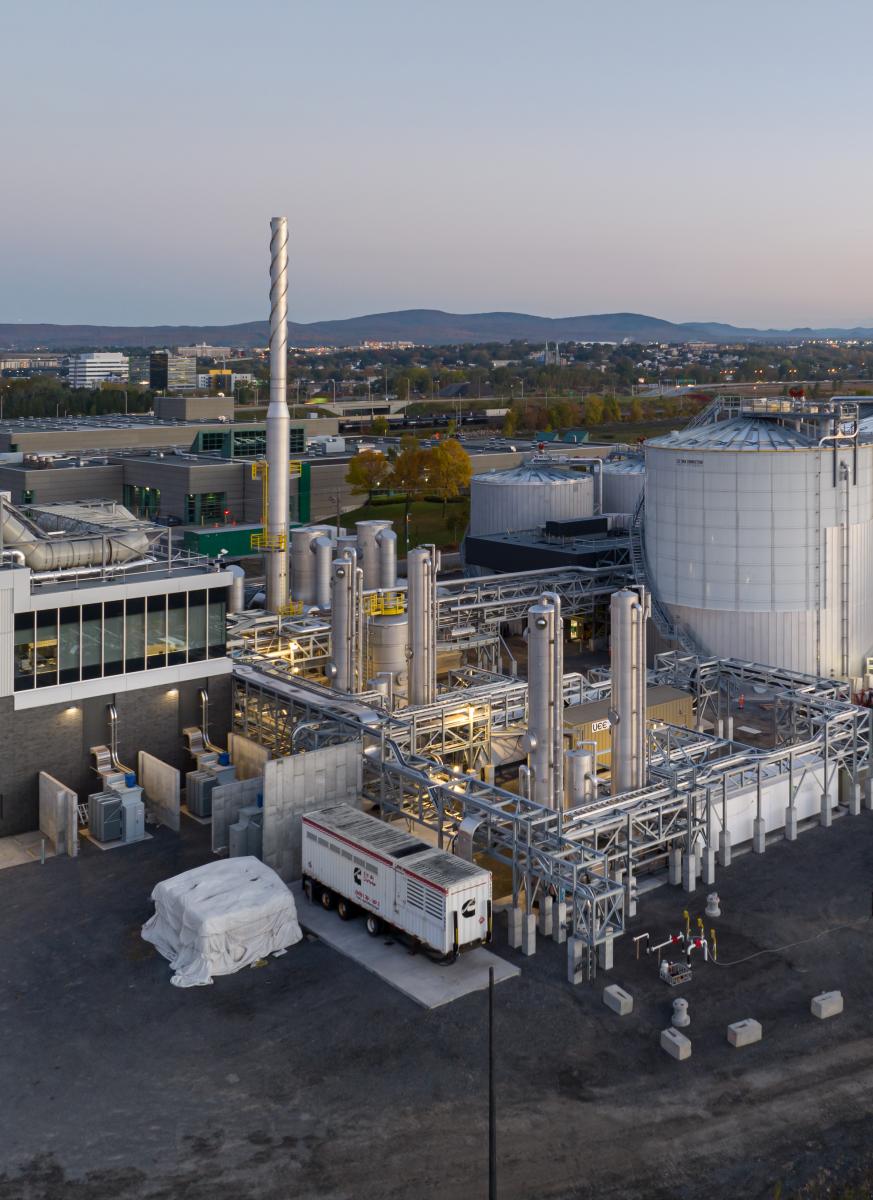
The CBMO is located near Baie de Beauport, south of Quebec City's wastewater treatment station on a reclaimed and decontaminated plot. Situated on the unique artery leading citizens to Baie de Beauport, the architectural concept presents a fragmented and terraced volume, so that the building's street-level perception is scaled and more welcoming. The implantation concept safely concealed the industrial processes and heavy truck traffic at the back of the building. Additional spaces are planned for the addition of a digester, to accommodate an anticipated increase in needs, with a view towards the project's longevity.
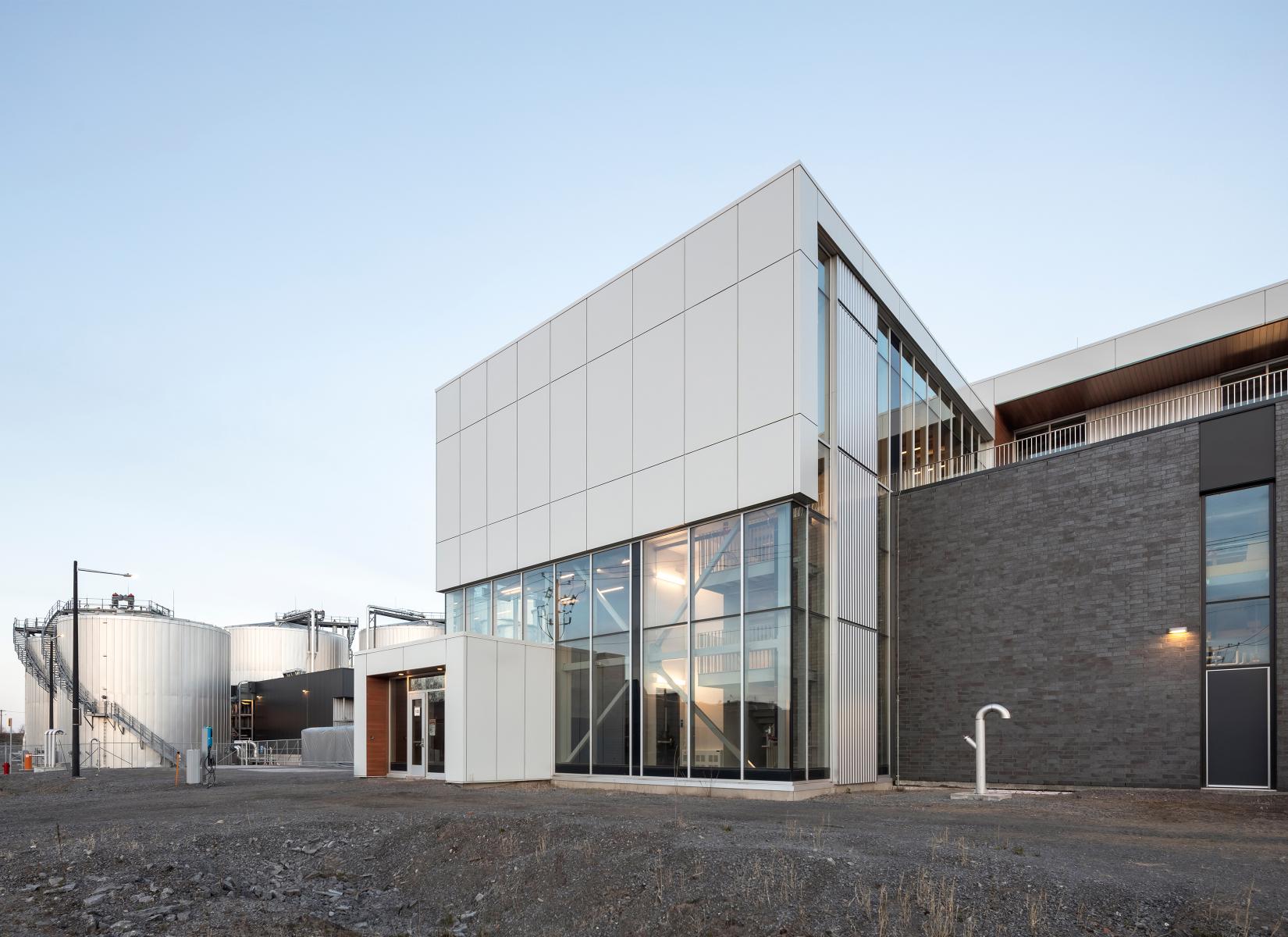
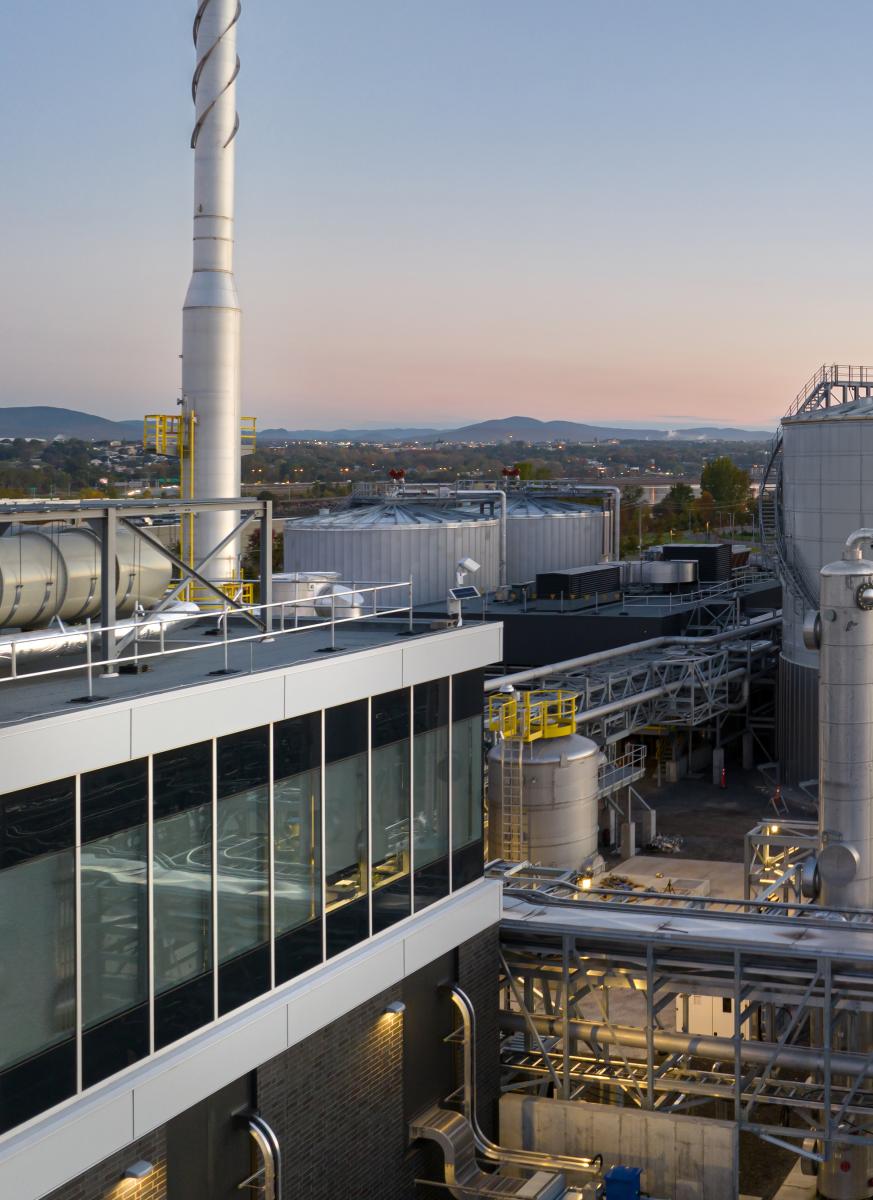
Exteriorly, noble and durable materials like enameled aluminum panels and clay brick cladding have allowed the street-facing façades to offer an urban architectural language that is less industrial. The choices in materiality have been made to ensure long-term durability and to facilitate maintenance. The main building is equipped with generous fenestration, consisting of curtain walls that reveal the center's activities to the street and provide a clear view of the external process activities. This large window area also provides quality natural lighting for workspace areas, often overlooked in industrial settings, contributing to the well-being of operators and significantly improving their work experience.
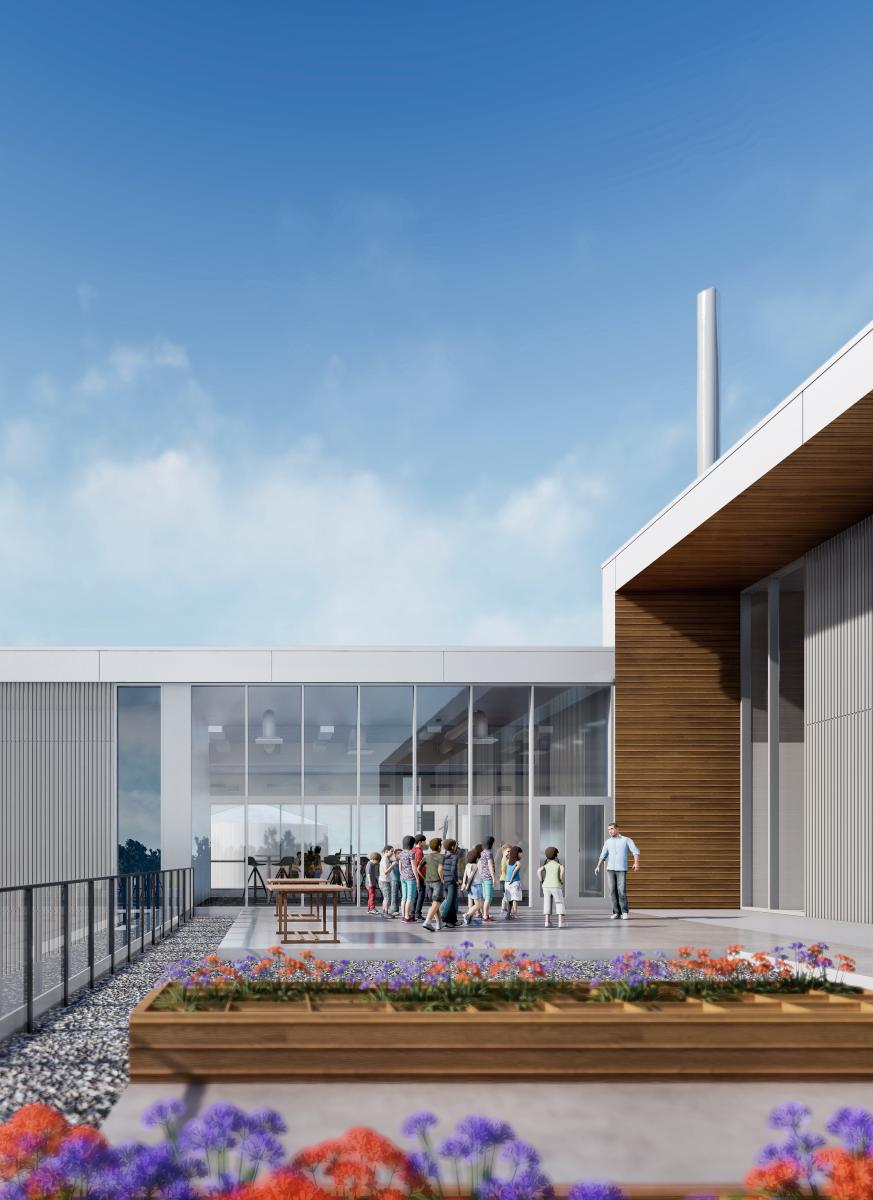
An open interpretive space at the administrative level allows the CBMO operations team to sporadically receive small groups of students to explain the organic material biomethanization process and sensitize them to the related environmental issues.
During the design of the CBMO, several technical issues such as exposure to solid, gaseous, and corrosive organic materials had to be addressed to find appropriate solutions. Other issues such as soundproofing, waterproofing, fire resistance between spaces, odor control, and explosion risk were also addressed and resolved to ensure that the CBMO offers a quality, risk-free environment for users, all thanks to the expertise and collaboration of a high-quality multidisciplinary team.
Precise coordination and sequencing of the installation of complex network and electromechanical systems were made possible through the use of BIM, both in design and during the construction phase. A synergistic collaboration of teams thus helped to realize a major infrastructure that will assist Quebec City and its citizens in reducing GHG production while generating a renewable energy source and quality digestate dedicated to regional agriculture.
Collaboration
Architect : CCM2 architectes
Photo credit