


Share to
Niki de Saint Phalle. Les années 1980 et 1990 : l’art en liberté
By : Musée national des beaux-arts du Québec - Loïc Lefebvre

GRANDS PRIX DU DESIGN 19th edition
Discipline : Interior Design
Categories : Special Awards / Interior + Colour & Atmospheres : Gold certification
Categories : Special Awards / Identity, Signage & Branding : Gold certification
Categories : Culture, Community, Sport & Wellness / Culture: Museum & Gallery : Gold certification
“Niki de Saint Phalle. The 1980s and 1990s: Art Unleashed” offers an immersive museographic experience in which art becomes a vehicle for social transformation, freedom, and reflection. It explores a pivotal period in the artist’s career, revealing her boldness, her commitment, and her ability to push the boundaries of creation. The exhibition design goes beyond simply showcasing the works: it transforms the space into a living narrative, where each sequence becomes a narrative and sensory device that engages the visitor’s gaze, body, and imagination.
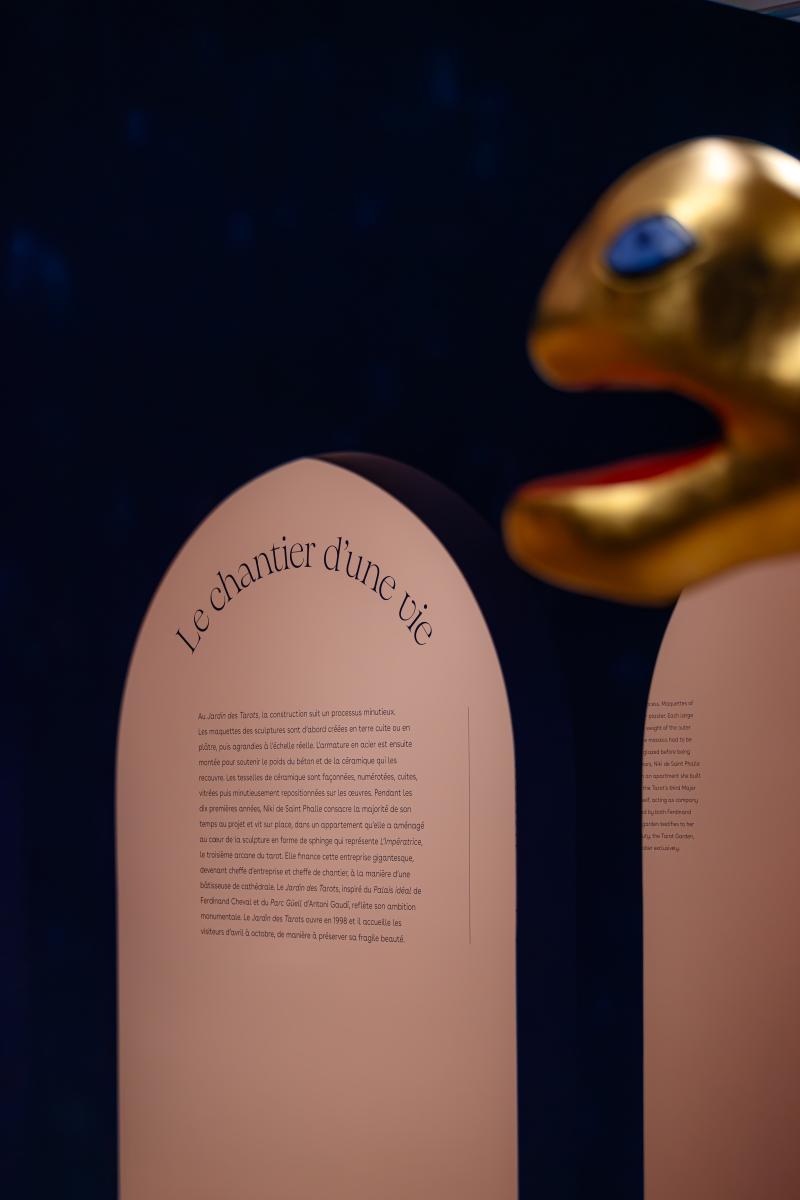
Unfolding over 1,380 m² in the Pierre Lassonde Pavilion galleries, the scenography draws inspiration from the “Tarot Garden,” a monumental work by Niki de Saint Phalle created in Tuscany. The design translates its architectural components—arches, courtyards, vaulted passages—into a spatial experience where monumentality and intimacy, play and contemplation coexist. Each space acts as a symbolic threshold between different states of consciousness, guiding visitors, stimulating their imagination, and structuring their movement through the exhibition.
The combination of volumes, colors, textures, lighting, and projections immerses the public in a distinctive spatial language where narrative and emotion meet. Arches of varying shapes and dimensions punctuate the journey as an architectural narrative closely tied to the exhibition’s themes and the artist’s concerns. The visitor is drawn into an initiatory and participatory journey, becoming an active protagonist in their encounter with Niki de Saint Phalle’s work.
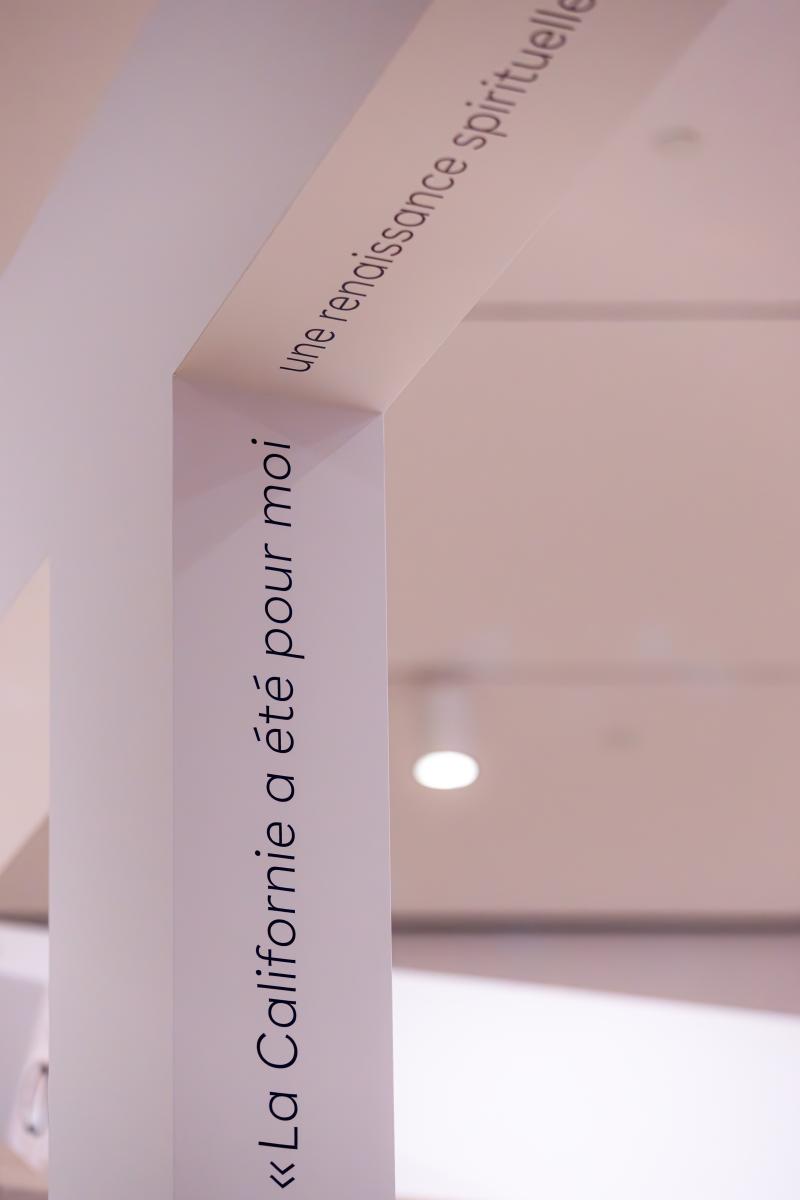
The sensory experience is amplified through audiovisual, lighting, and interactive devices, as well as integrated signage. Together, they deepen the understanding of the symbols and archetypes that run through the various bodies of work. Modular, durable, and aesthetically refined materials ensure flexibility, safety, and longevity, enabling a spectacular yet responsible scenography that is largely reusable.
Each element, conceived in both its conceptual and technical dimensions, is the result of collaborative work between the curator, the exhibition designer, the lighting and audiovisual designer and technicians, the workshop teams, the graphic designer, and museum professionals. This integrated approach turns design and scenography into a tool of poetic and immersive mediation: every movement, every glance, and every interaction with the space contributes to an exploration of play, freedom, and imagination, offering a museographic experience that is at once immersive, narrative, and memorable.
Collaboration
Other : Musée national des beaux-arts du Québec
Photo credit