

Share to
American Museum of Natural History, Rose Center for Earth and Space
By : Ennead Architects

GRANDS PRIX DU DESIGN 19th edition
Discipline : Architecture
Categories : Other categories in architecture / Continuing Value (≥ 20 years) : Gold certification
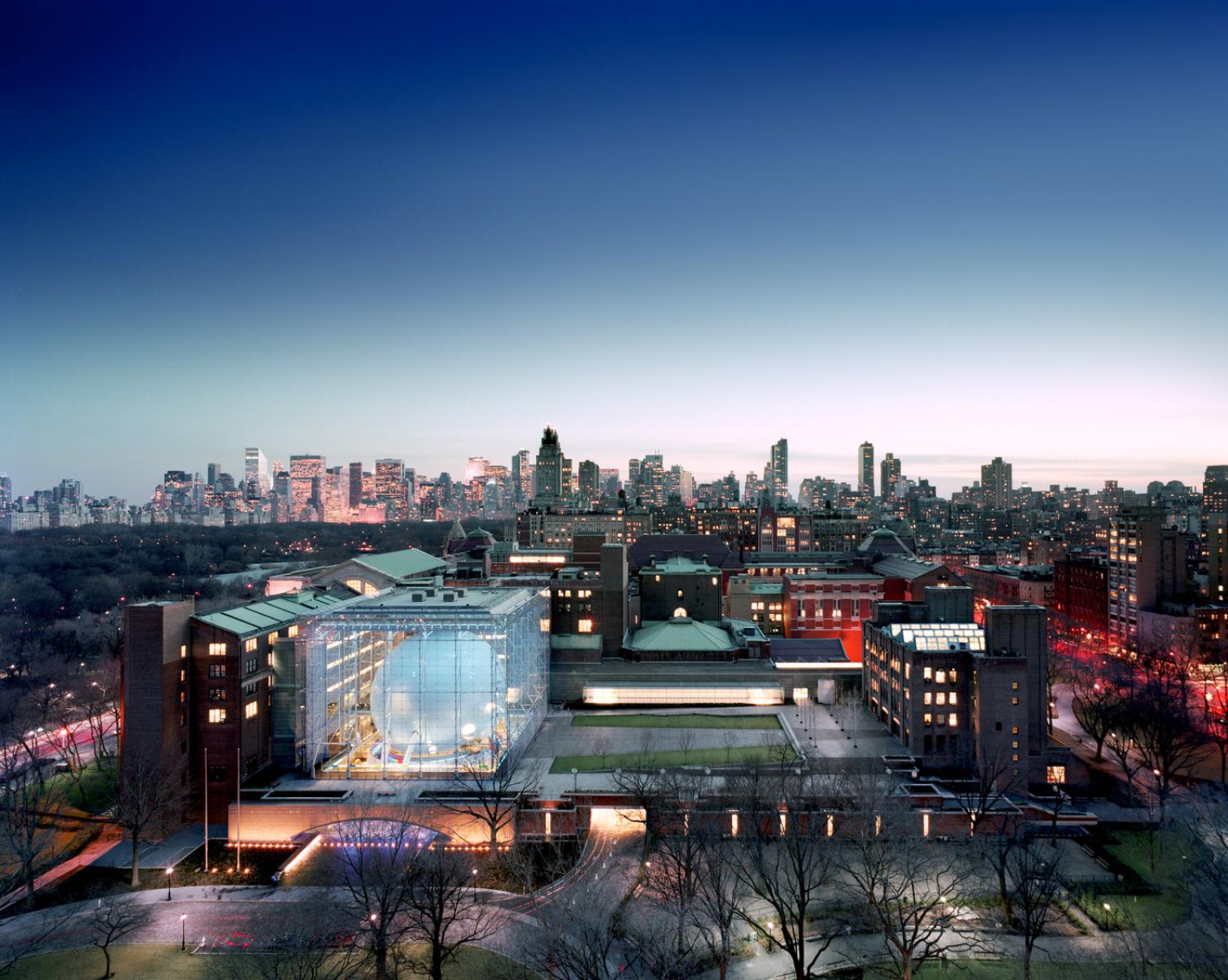
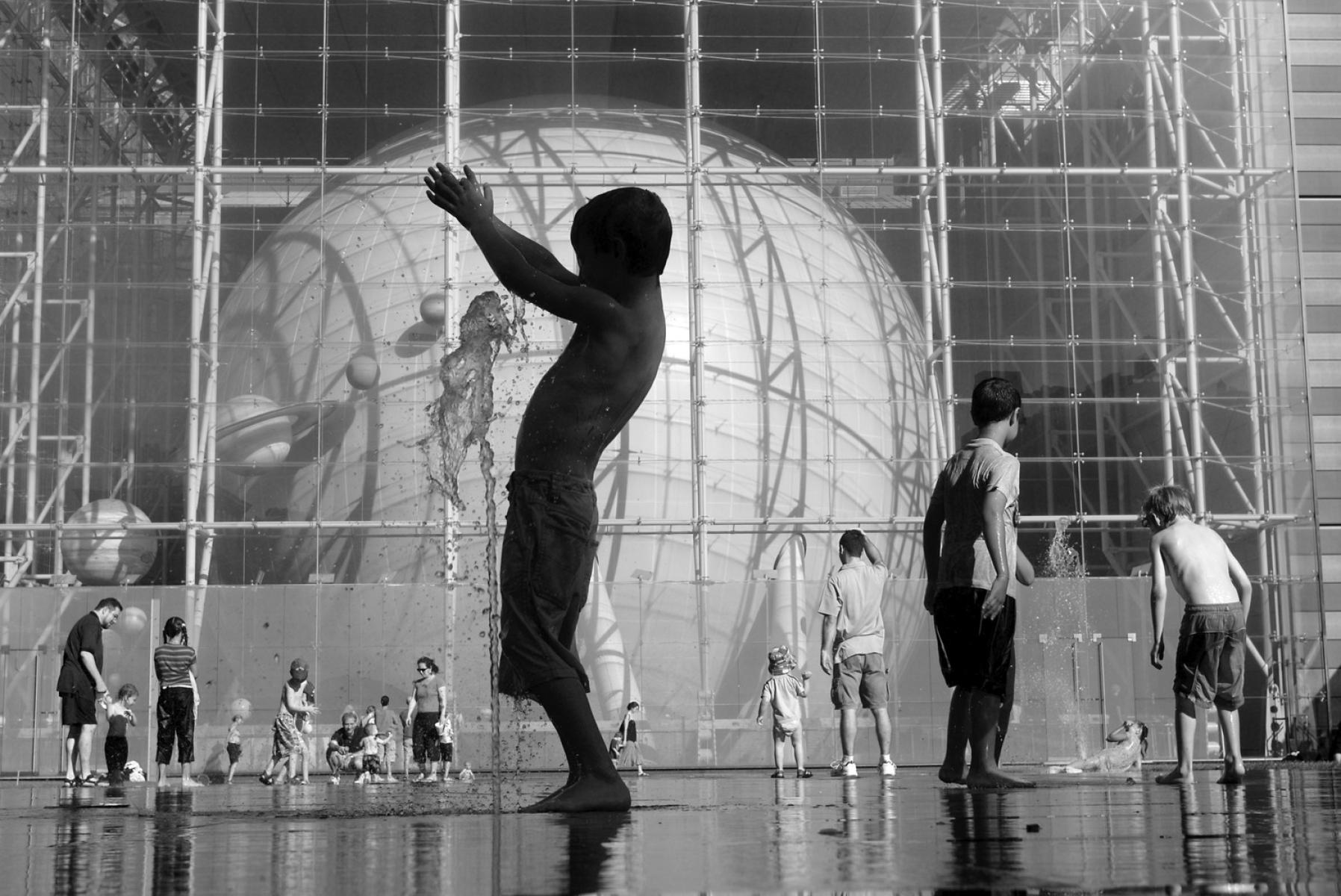
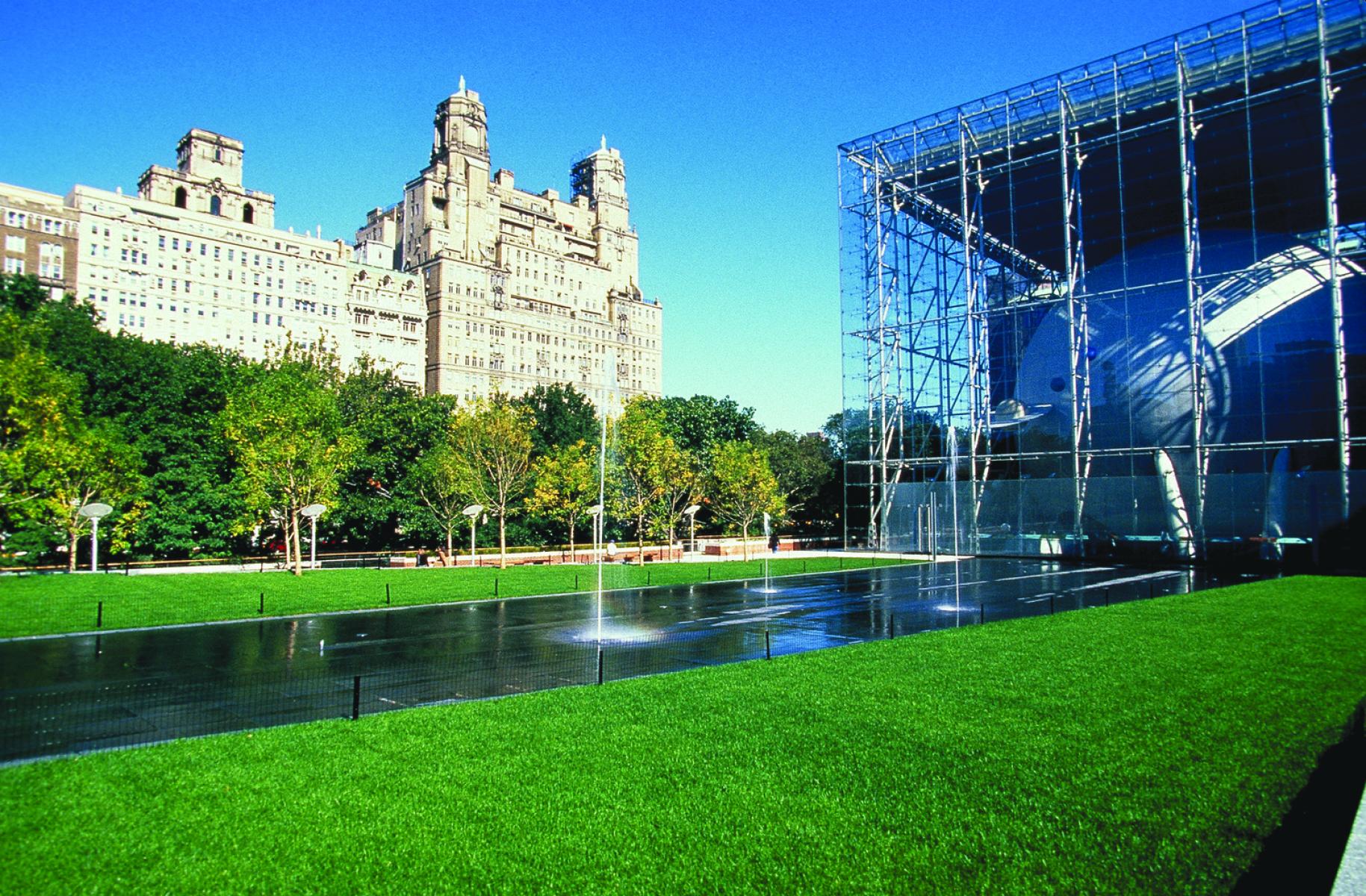
A radical departure from the adjoining historic masonry architecture, the Rose Center for Earth and Space revitalized the image and identity of the Museum. The juxtaposition of the ethereal simplicity and transparency of the glass box, which houses the Hayden Planetarium's iconic sphere, and the opacity of the historic masonry fabric heightens appreciation of both and underscores the relevance of the Museum’s mission. Together, the Rose Center, the Arthur Ross Terrace, the Weston Pavilion, and the renovated Theodore Roosevelt Park complete the Museum campus’s north side, rationalizing circulation within and presenting a welcoming and enticing entry to the community.
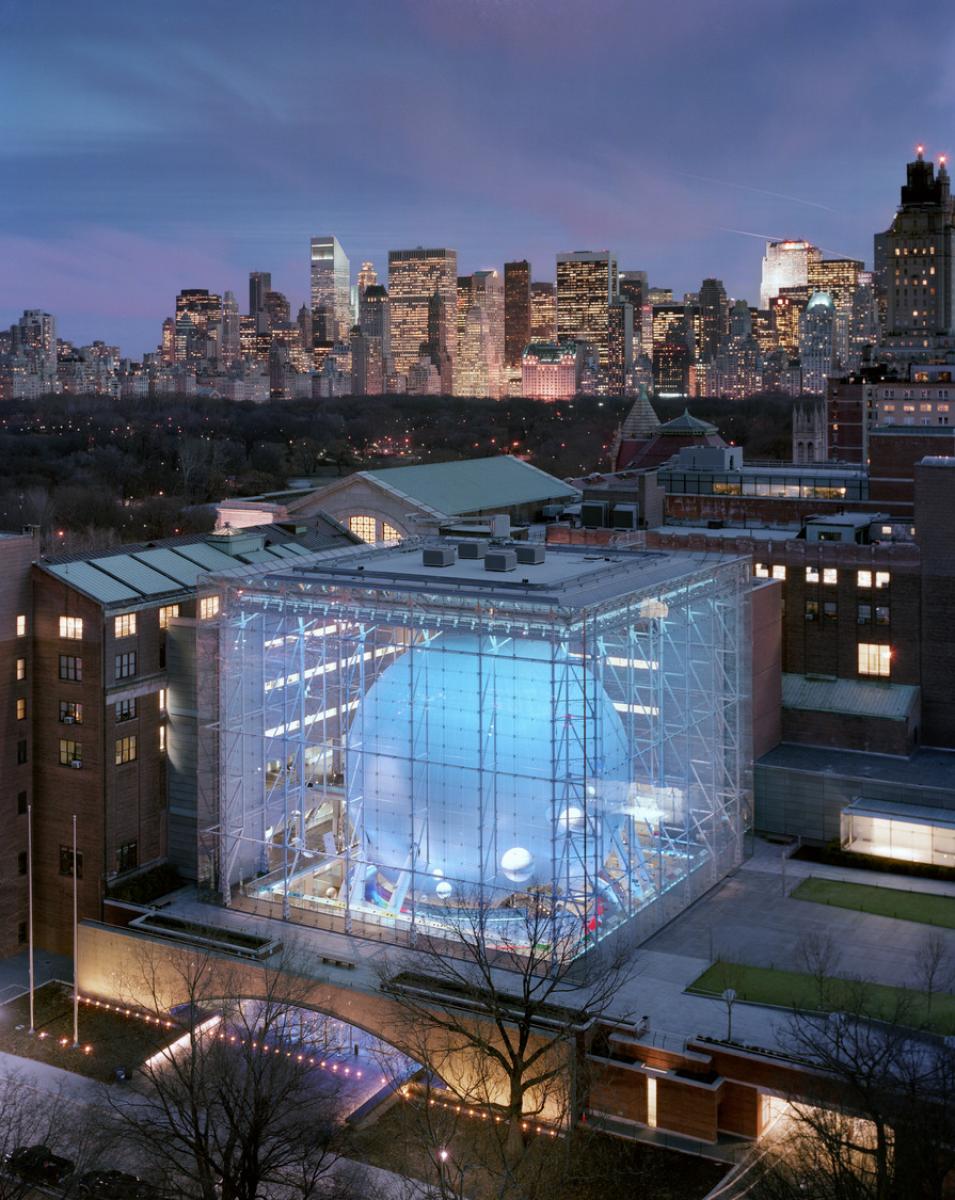
As both a civic and cultural landmark, the Rose Center's glowing sphere within a glass cube has become one of NYC’s most recognizable icons, symbolizing openness and the pursuit of knowledge.
The project’s continued vitality is reflected in the Museum’s reach: AMNH ranked among the top three most visited museums in the United States in 2024. The Rose Center continues to engage visitors, demonstrating sustained educational impact. Its enduring value lies in adaptability and purpose—an architecture that has grown richer with time.
The Rose Center is a profound architectural expression of discovery—where science, art, and curiosity meet, merging research and imagination to create a building that teaches through spatial experience and active physical engagement. The result was an unprecedented synthesis of architecture and mission—a structure that embodies the wonder of discovery.
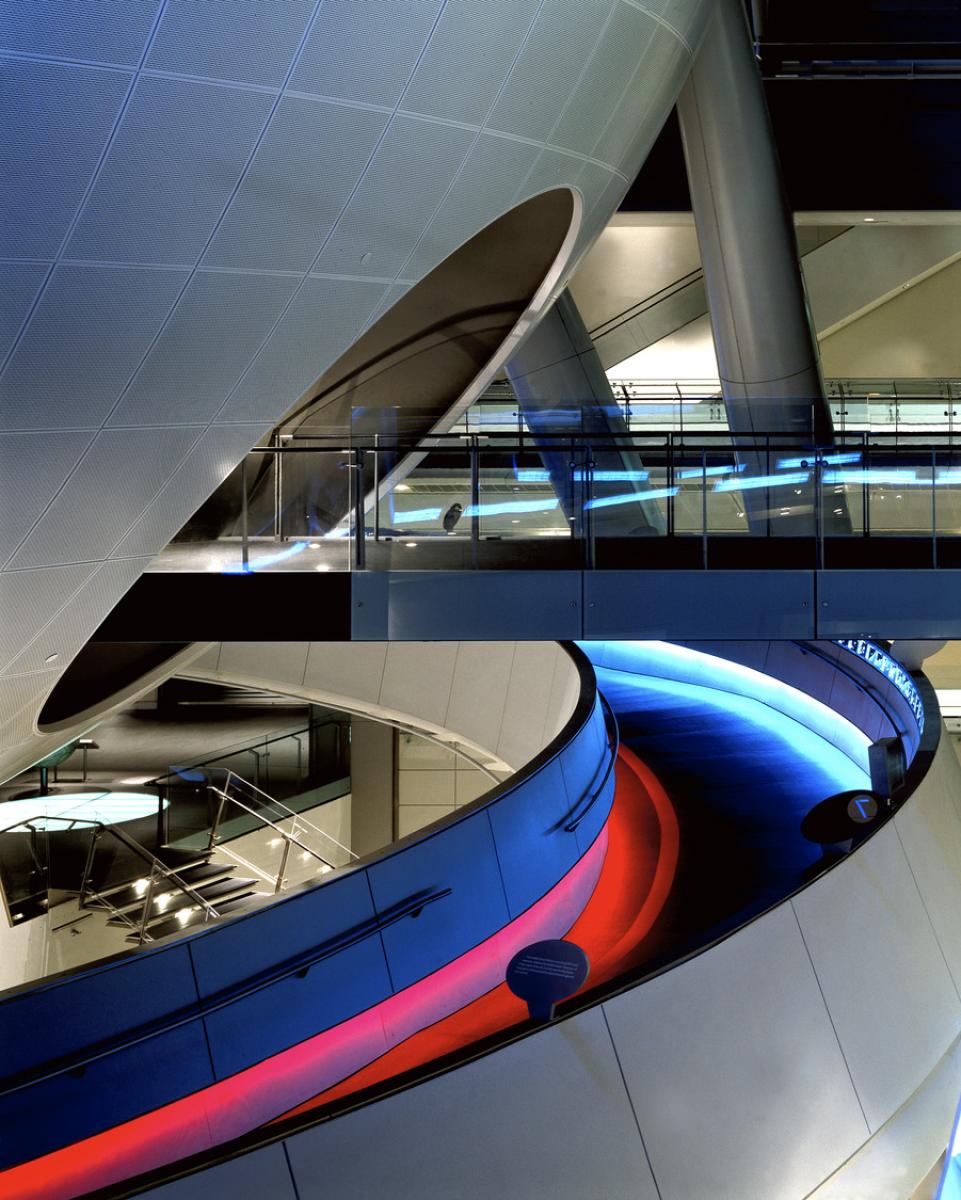
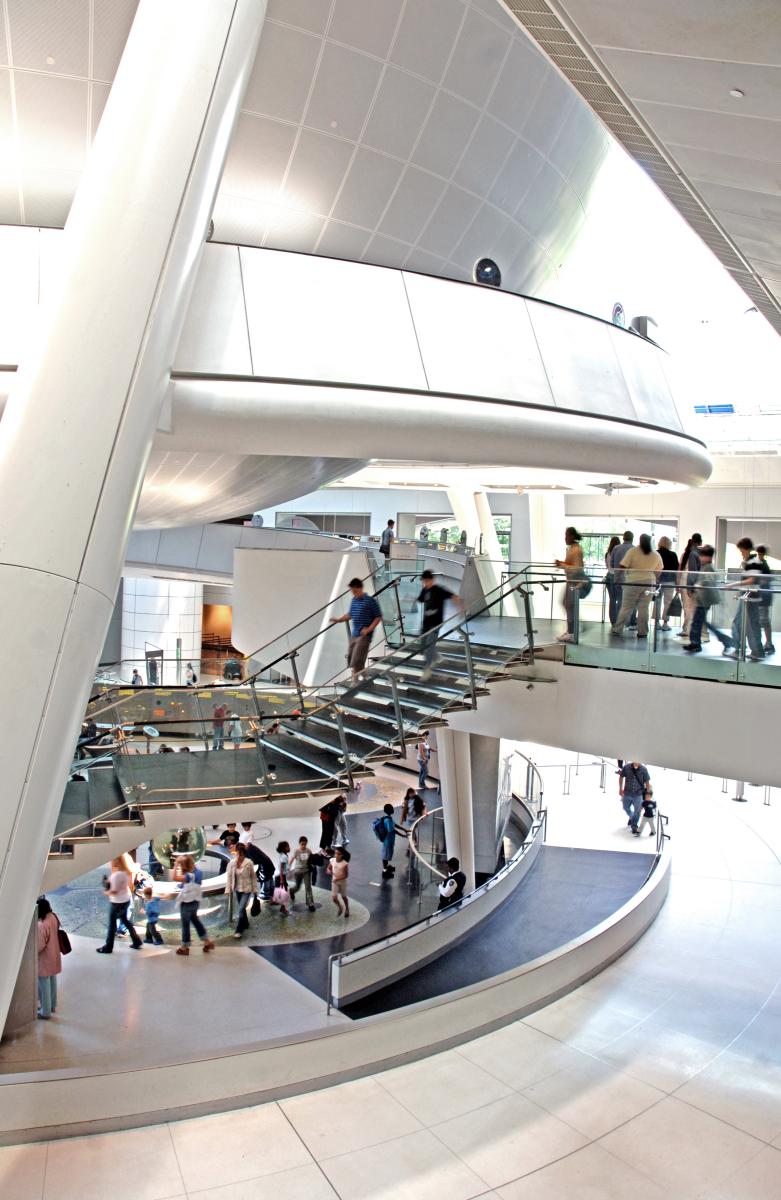
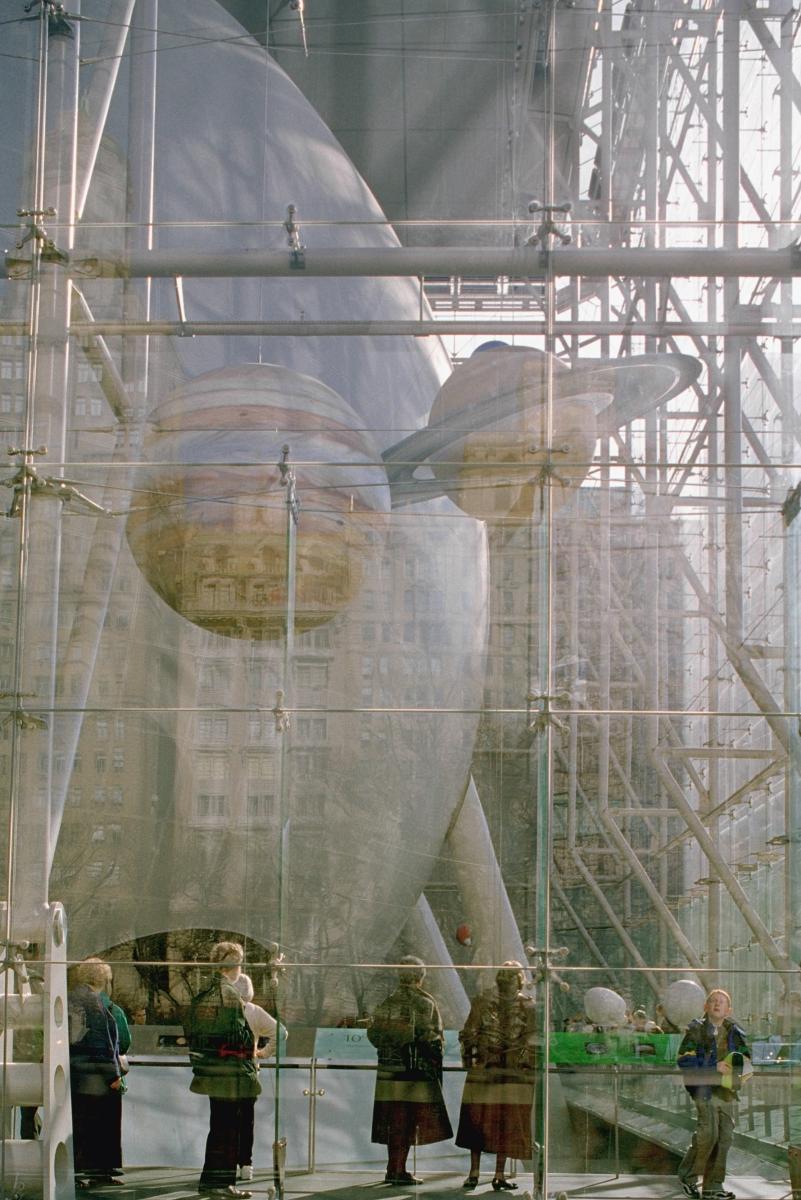
The 120-foot glass cube and suspended 87-foot Hayden Sphere form a “cosmic cathedral.” The Cosmic Pathway, a spiraling ramp encircling the sphere, transforms movement into meaning: as visitors descend, they retrace 13 billion years of cosmic history, embodying deep time through physical motion, making discovery participatory, experiential, and personal.
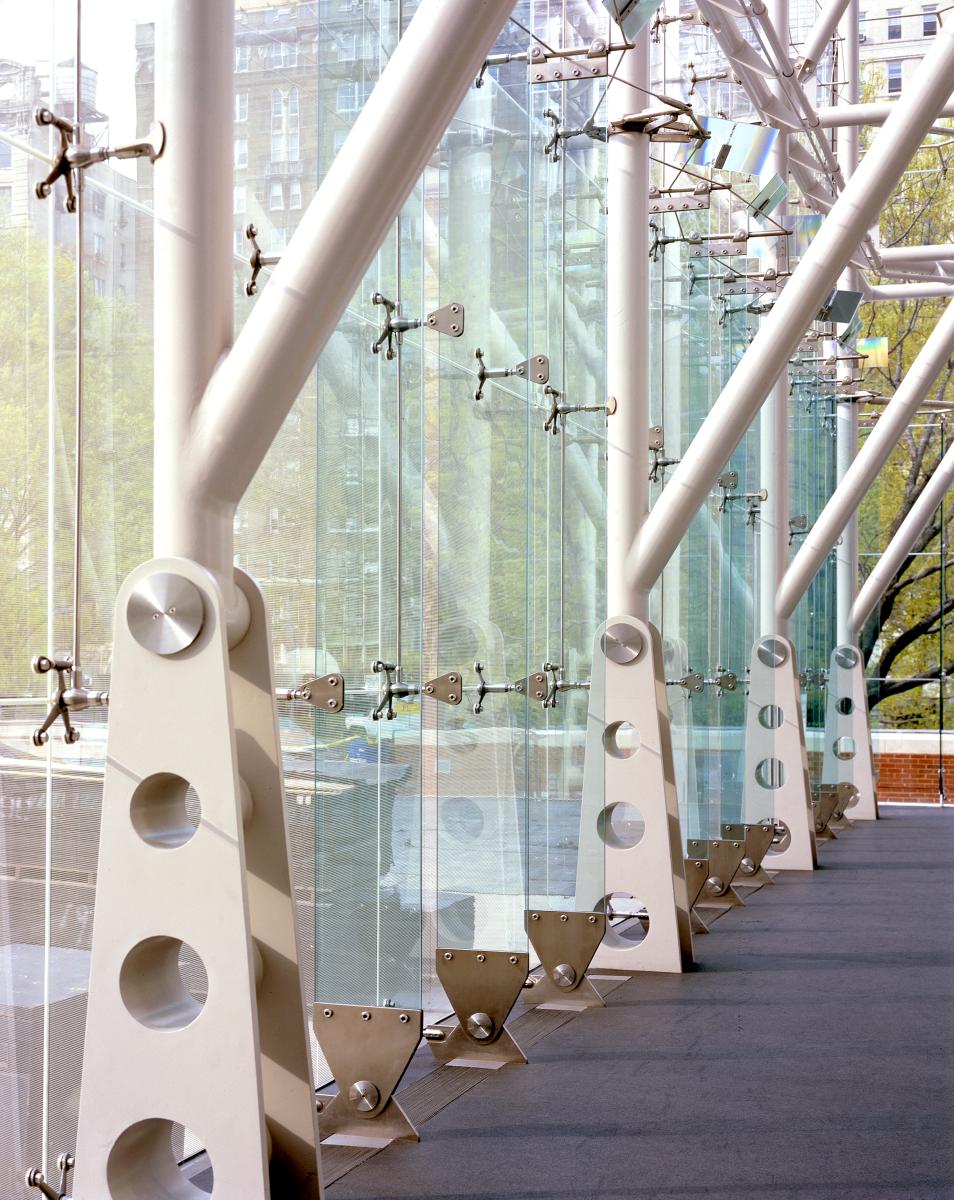
Light and material extend this sense of revelation. The glass curtainwall dissolves the boundary between interior and sky. The architecture itself becomes a lens of understanding. As passersby glimpse the suspended planetarium through layers of reflection, they sense the mystery it seeks to illuminate.
The Rose Center has proved as resilient as it is revelatory. It continues to anchor the American Museum of Natural History’s identity, welcoming millions of visitors annually and serving as one of New York City’s most beloved landmarks. Generations of students, families, and scientists have passed through its halls—each encounter renewing its purpose and confirming its timelessness.
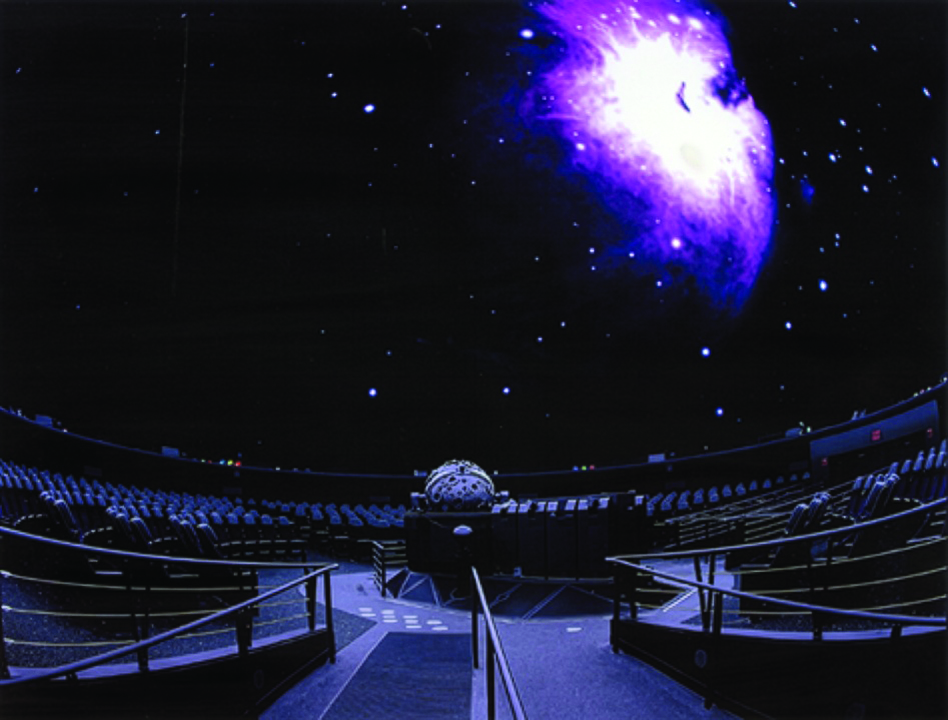
Its enduring value lies not in the projection of stars but in the awakening of wonder and the creation of meaningful memories. Akin to the elegance of a mathematical proof, in its concision, efficiency, simplicity of form, and human-centered design, The Rose Center endures as a work of architecture that reimagines how we experience learning and the boundless curiosity that makes us human.
Collaboration
Architect : Ennead Architects
Photo credit